
Close Menu
GlofiishGlofiish
    Facebook X (Twitter) Instagram
    Facebook X (Twitter) Instagram
    GlofiishGlofiish
    Subscribe
    • Home
    • Glofiish Devices
    • Technology
    • Tech Devices
    • News
    • About
    • Privacy Policy
    • Contact Us
    • Terms Of Service
    GlofiishGlofiish
    Home » Samsung’s Sliding Smartphone Screen Could Redefine the Future of Mobile Design
    Tech Devices

    Samsung’s Sliding Smartphone Screen Could Redefine the Future of Mobile Design

    Taylor LoweryBy Taylor LoweryJune 12, 2026No Comments4 Mins Read
    Facebook Twitter Pinterest LinkedIn Tumblr Email
    Share
    Facebook Twitter LinkedIn Pinterest Email

    Samsung discreetly brought something out of the ordinary to the MWC 2026 in Barcelona: a smartphone with a screen that slides outward, extending the display like a slow exhale, rather than folding or flipping. It wasn’t a completed item. There was no formal announcement wrapped in a keynote crescendo, no launch window, and no price tag. Just an idea, sitting there in conference lighting, challenging people’s preconceived notions about a gadget they’ve been carrying around for fifteen years.

    Since the event, Samsung’s sliding smartphone screen concept has been making the rounds in tech circles, evoking the same kind of response as early foldable prototypes: a mix of quiet excitement, skepticism, and fascination. According to reports, the device uses flexible OLED technology, which enables the panel to extend and retract without the crease that foldables have never quite been able to remove, to grow from a typical smartphone size to something significantly larger. The crease has been a recurring, minor annoyance for foldable users since day one, so it’s worth taking a moment to consider that detail.
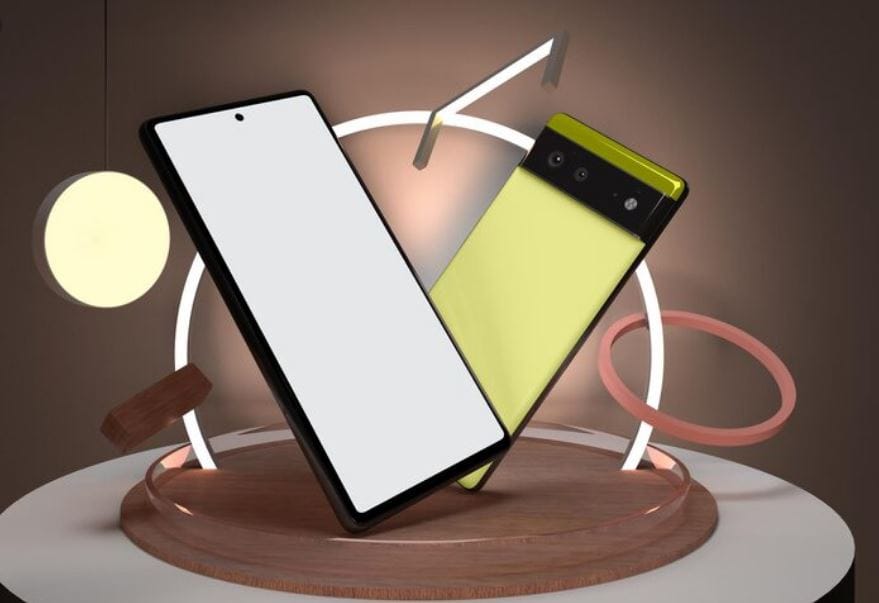
    Samsung’s Sliding Smartphone Screen Could Redefine the Future of Mobile Design
    Samsung’s Sliding Smartphone Screen Could Redefine the Future of Mobile Design

    Samsung has some experience with long-term strategies for these concepts. Fourteen years before any consumer could actually purchase one, the company debuted a flexible display prototype in 2011. After years of engineering work, the Galaxy Fold was finally released in 2019. It was followed by the Z Flip, the Z Fold series, and now the TriFold, which unfolds twice to reveal a ten-inch display that is only 3.9 millimeters thin. From concept to shelf, that process has been methodical, sometimes laborious, and sometimes faltering. However, Samsung has persisted. The slidable idea seems like it belongs in the same long-running journal.

    The question it poses about the true purpose of a phone is what makes this particular concept intriguing, not just the form factor. These days, people carry a camera, a wallet, a notebook, a television, and a navigation system. In addition to adding size, a screen that can expand on demand may offer a completely new way to use the device. Working on a document, watching something longer than a YouTube clip, or multitasking between two apps without feeling crowded are all significant annoyances with modern screens, and a slidable display solves them without requiring you to carry around something that feels like a hardcover book.

    Nevertheless, the engineering questions are important. Complexity and possible points of failure are increased by motorized extension mechanisms. With a larger, flexible panel, battery consumption will need to be seriously optimized. Furthermore, testing the durability of something that frequently slides in and out—under actual circumstances, dropped on pavement, shoved into pockets, and handled by people who don’t give hardware much thought—is a different challenge than anything Samsung has previously encountered. The technology might be closer to being ready than it seems. It’s also possible that this remains an idea for some time to come.

    According to reports, Samsung is also working on a slider phone with an extendable screen and a next-generation tri-fold, suggesting the slidable concept isn’t just a one-time showpiece. Instead of just protecting the foldable market it currently controls, the company appears to be actively planning out what the next generation of mobile form factors will look like.

    There’s a noteworthy pattern here. Every time Samsung has unveiled something unconventional and unfinished, such as the first fold concept or the TriFold tease prior to launch, the reaction has been the same: people claim it’s unnecessary but still wait in line for it. The slidable may or may not follow that same arc. It is actually difficult to change consumer behavior, and there is already fierce competition in the premium market. However, one of the more interesting ongoing stories in consumer technology is witnessing Samsung continue to push the boundaries of what a phone can physically be, even when the market hasn’t yet demanded it. It’s a tiny slide. The concept is not.

    Sliding Smartphone Screen
    Share. Facebook Twitter Pinterest LinkedIn Tumblr Email
    Taylor Lowery
    • Website

    Taylor Lowery is a senior editor at glofiish.com, a technology writer, and a true circuit enthusiast. She works in the tech sector, so she does more than just cover it. Taylor works for a smartphone company during the day, which gives her a firsthand look at how gadgets are designed, manufactured, promoted, and ultimately placed in people's hands.Her writing is unique because of this insider viewpoint. Taylor makes the technical connections that other writers overlook, whether she's dissecting the silicon architecture of a new flagship chipset, analyzing the implications of a significant Android update for actual users, or tracking the effects of a new AI model announcement across the mobile industry.Her editorial focus covers every aspect of the current tech stack, including smartphone software and hardware, artificial intelligence (from large language models and generative tools to on-device inference), and the broader innovation trends influencing the direction of the consumer technology sector. She is especially passionate about the nexus of AI and mobile computing, which she feels is still in its most exciting early stages.

    Related Posts

    How Wearable Tech is Predicting Seizures Before They Happen

    June 12, 2026

    Why the ROG Xbox Ally X is Quietly Dismantling SteamOS’s Handheld Dominance

    June 12, 2026

    Inside the Brain-Computer Interfaces That Don’t Require Drilling Your Skull

    June 12, 2026
    Leave A Reply Cancel Reply

    You must be logged in to post a comment.

    News

    The Secret Algorithm Wars Happening Inside Silicon Valley

    By Taylor LoweryJune 12, 20260

    Most people drive by a building in Menlo Park without giving it much thought. According…

    Why the Future of Fashion is Digital Garments for Your Avatar

    June 12, 2026

    Samsung’s Sliding Smartphone Screen Could Redefine the Future of Mobile Design

    June 12, 2026

    Why the Military is Equipping Soldiers with Exoskeletons

    June 12, 2026

    How Wearable Tech is Predicting Seizures Before They Happen

    June 12, 2026

    How Blockchain Could Finally Solve the Epidemic of Fake News

    June 12, 2026

    The Tech Billionaires Funding the Search for Extraterrestrial Intelligence

    June 12, 2026

    Why the ROG Xbox Ally X is Quietly Dismantling SteamOS’s Handheld Dominance

    June 12, 2026

    The Open-Source Movement Fighting to Keep Agricultural Tech Free for Farmers

    June 12, 2026

    Why Hypersonic Travel Will Change the Global Tech Supply Chain

    June 12, 2026
    Disclaimer

    Glofiish.com’s content, which includes market reporting, technology analysis, AI commentary, and device coverage, is solely meant for general informational and educational purposes. Nothing on this website is intended to be financial, investment, legal, or professional technology advice specific to your situation.

    We’re strongly advise all readers to seek independent professional financial advice from a qualified financial adviser before making any financial, investment, or purchasing decisions based only on information found on this website. Technology markets are unstable; product availability, cost, and performance attributes fluctuate quickly.

    Facebook X (Twitter) Instagram Pinterest
    • Home
    • Glofiish Devices
    • Technology
    • Tech Devices
    • News
    • About
    • Privacy Policy
    • Contact Us
    • Terms Of Service
    © 2026 ThemeSphere. Designed by ThemeSphere.

    Type above and press Enter to search. Press Esc to cancel.