
About Glofiish
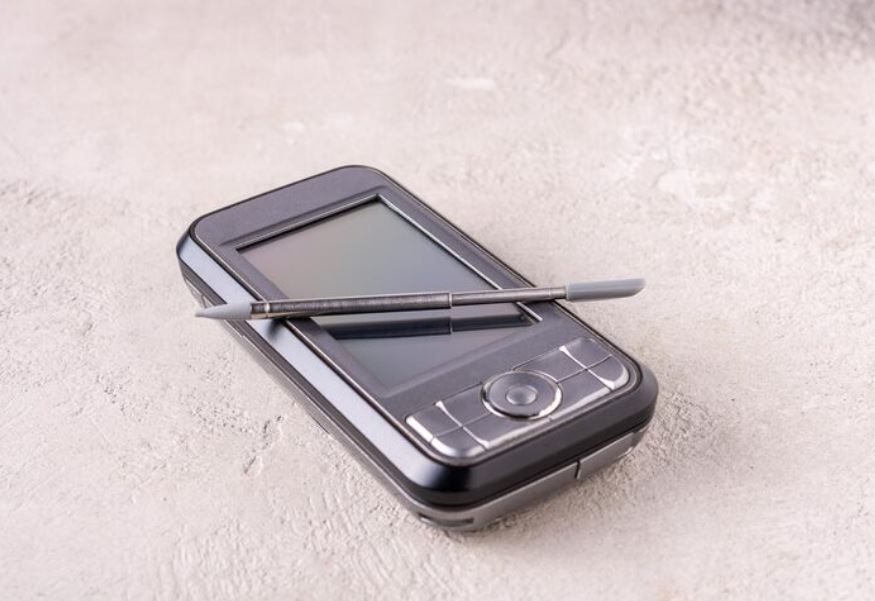
A Glofiish smartphone, which few people remember today, sits on a quiet shelf in the homes of many tech collectors, sandwiched between an old BlackBerry and a first-generation iPod. In the mid-2000s, the name represented something ambitious, but it sounds almost playful, more like a toy brand than a piece of serious technology. Smartphones could do much more than just make calls, according to E-TEN, a small Taiwanese company.
Long before smartphones were popular, the story started. Established in Taipei in 1985, E-TEN Information Systems first developed computer input systems in Chinese. One gets the impression from looking at pictures of the company’s early offices that engineers were squatting over beige desktop computers, trying to figure out how to make computers work for Chinese speakers. The company’s subsequent interest in handheld devices was subtly influenced by its emphasis on specialized computing.
E-TEN started experimenting with portable electronics in the late 1990s, launching items such as financial pagers that were utilized by stock market traders in Taiwan. It’s simple to picture those gadgets showing real-time market data buzzing on brokers’ belts during a busy trading day. The company gained something useful from the experience: familiarity with professional-grade small computers.
Then Glofiish emerged in 2006 or so. The name came to light at a time when the smartphone market felt unpredictably experimental. BlackBerry dominated business email, Nokia ruled Europe, and Windows Mobile, Microsoft’s first mobile operating system, was subtly making its way onto a range of gadgets. The first models in the lineup, the Glofiish X500 and Glofiish M700, entered this market.
When compared to contemporary phones, those gadgets seem almost bulky. However, they were loaded with futuristic-looking features at the time. integrated GPS. WiFi. GSM and Bluetooth connections. In 2006, this combination was uncommon in such small hardware.
Early adopters were truly impressed by the X500’s speed at locking onto GPS satellites, according to one reviewer from that era. Back then, it felt new to navigate the streets of a city while using a phone app. The majority of people still kept separate GPS units in their vehicles.
In essence, the Glofiish phones were pocket computers with phone features. Users interacted with miniature versions of Microsoft’s desktop programs, such as Outlook, Word, and Internet Explorer, because they ran Windows Mobile. It wasn’t particularly graceful. Frequently, styluses were needed. The menus were limited and occasionally annoying.
However, those gadgets also had an odd feeling of potential. On devices such as the Glofiish M800, which had a VGA display and 3.5G connectivity, the keyboard slid open to give the appearance of a tiny workstation. One could type emails. It is possible to load maps. Wi-Fi could be used to transfer files. That kind of capability was genuinely appealing for professionals who had to travel between meetings.
However, many businesses were unaware of how quickly the market was changing. Apple released the iPhone in 2007. Overnight, the discourse surrounding smartphones underwent a sudden shift. Styluses were replaced by touchscreens. Complexity gave way to simplicity. And almost instantly, gadgets like Glofiish, which were strong but a little technical, started to feel outdated.
A few models experienced performance problems. Others had memory issues or battery problems. For instance, the Glofiish X800 was criticized for its short battery life and limited RAM despite having powerful hardware. Whether these problems actually reduced sales or if the market’s overall trend toward more basic smartphones was more significant is still up in the air.
Fascinatingly, Glofiish devices became surprisingly popular in some places, particularly Russia. According to reports, the company once controlled more than 20% of the market for Windows Mobile devices there. That was no small feat in a world where HTC and Nokia rule.
Then 2008 arrived. Acer declared that year that it would pay about $290 million to acquire E-TEN. The move made sense on paper. E-TEN had experience designing smartphones, and Acer wanted to increase its footprint in the mobile computing space. However, the Glofiish name was quietly dropped with the acquisition.
Following the transaction, Acer replaced the E-TEN brand with its own and phased it out. Glofiish was relegated to the status of a historical footnote as Acer’s logo appeared on subsequent devices.
Even today, when browsing online forums, the brand continues to come up in discussions among fans of vintage technology. The X500’s remarkably dependable GPS may be mentioned. On a road trip across Europe, someone else remembers using a Glofiish device as their first navigation phone.
The nostalgia is difficult to ignore. Unlike Samsung or Apple, Glofiish never became a household name. However, its products captured a specific period in technology—a time when smartphones were still in the experimental stage, when engineers experimented with daring feature combinations, and when the industry was still unsure of what a phone should look like.
In retrospect, Glofiish seems less like a failed brand and more like a snapshot of a period in mobile technology transition. In this way, its tale continues to linger subtly in the annals of smartphone history.
| Attribute | Details | Attribute | Details |
|---|---|---|---|
| Brand Name | Glofiish | Parent Company | E-TEN Information Systems |
| Founded | 1985 (Company), Glofiish brand launched in 2006 | Headquarters | Taipei, Taiwan |
| Operating System | Windows Mobile | Device Type | Pocket PC Smartphones |
| Notable Models | X500, X500+, M700, X800, DX900 | Key Features | GPS, Wi-Fi, Bluetooth, GSM, 3G |
| Acquisition | Acquired by Acer in 2008 | Industry | Mobile Technology |
| Major Market | Russia, Europe, Asia | Brand Status | Discontinued after Acer acquisition |
| Key Innovation | Early smartphones with built-in GPS | Reference Website | https://en.wikipedia.org/wiki/E-TEN |
Latest
Top Glofiish Models
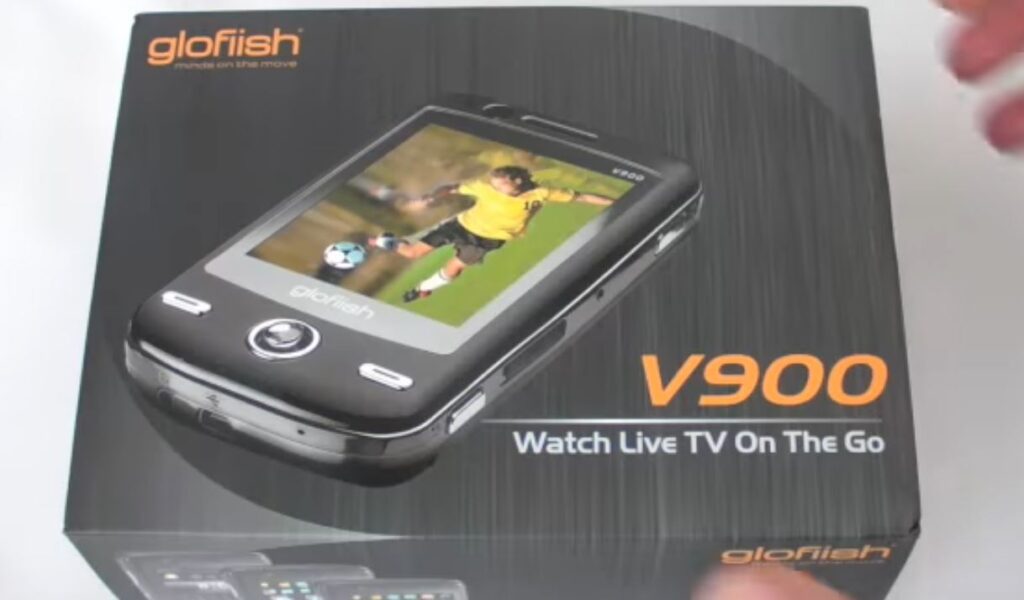
A peculiar and somewhat disorganized era in mobile technology occurred in the middle of the 2000s, long before contemporary smartphones were sleek glass slabs. The devices appeared to be experimental. There were buttons everywhere. There were still many styluses. A Taiwanese company named E-TEN launched a range of gadgets in that crowded market with the curiously upbeat moniker Glofiish.
Unlike Nokia or BlackBerry, the phones did not take center stage in the news. However, they gained a devoted following in some tech circles, especially among enthusiasts and early adopters. It’s difficult to ignore the fact that many of these gadgets combined GPS, Wi-Fi, cameras, and pocket computer functionality into something that felt surprisingly ambitious for the time, attempting things other companies were just starting to investigate.
The Glofiish X500 was among the first and most well-known gadgets. The phone’s thin design immediately attracted attention when it first appeared in 2006. It was regarded as exceptionally thin for a Pocket PC phone, measuring about 15.5 millimeters in thickness. It’s a little nostalgic to hold the gadget today. A different technological era’s design language is evident in the black back plate, the silver front panel, and the small navigation pad underneath the screen.
However, the device itself was the true source of interest. The X500 had a 400 MHz processor running Windows Mobile, as well as built-in GPS, Wi-Fi, and Bluetooth. At the time, that combination was uncommon. As a matter of fact, the concept of using a phone to navigate through urban streets was still relatively new. It felt almost futuristic to have a GPS unit built into a mobile device at a time when drivers were just starting to trust them.
The Glofiish M700 joined the lineup shortly after the X500. There was a small but significant difference between the two. With the addition of a sliding QWERTY keyboard, the M700 felt more like a productivity tool. In a crowded airport lounge, it seemed more like a tiny workstation than a standard mobile phone to watch someone slide open the keyboard and type emails with the stylus tucked away.
Nevertheless, the smartphone market was expanding swiftly. By 2007, businesses were experimenting with more potent hardware, and faster data networks were starting to emerge. The Glofiish X800 came into play at that point. Because it was the first model in the series to support 3G connectivity, mobile internet speeds were greatly increased.
Compared to its predecessors, the X800 had a slightly more sophisticated appearance. The display had a higher resolution, and the casing felt more robust. The gadget wasn’t flawless, though. Limited RAM and battery performance were complained about by a few users. Looking back, it seems like the hardware was straining the bounds of what Windows Mobile devices could tolerate.
The Glofiish M800, one of E-TEN’s most intriguing devices, was unveiled around the same time. Similar to the M700, the phone had a sliding keyboard, but it also had a sharp VGA display and 3.5G HSDPA connectivity. The device gained a reputation as a serious productivity tool as a result of this combination.
The M800 might have been the pinnacle of the Glofiish experiment. It appeared that engineers were committed to cramming as many features as they could into a single portable gadget. GPS guidance. fast internet on the go. Productivity with email. playback of multimedia. The phone tried to manage it all.
Then came the Glofiish X650, a gadget that improved upon many of the previously presented concepts. Although it didn’t have 3G connectivity, it did have better internal storage and processing power than the X800. Reviews at the time frequently characterized the X650 as a stable Windows mobile phone that was useful despite being less ostentatious.
Additionally, the physical design was a little more subtle. The device had features like Wi-Fi, GPS, Bluetooth, and a VGA display, and its casing felt sturdy. The touch screen was still responsive for its time. It’s like looking at a relic from a computing transition when you see someone using it today.
2008 saw the release of the Glofiish X900, which featured a faster processor and more robust hardware. It had an enhanced memory capacity, a 3-megapixel camera, and a 2.8-inch display with 480×640 resolution. However, the smartphone market had already started to drastically change by that time.
The iPhone had been released by Apple. The Android platform from Google was developing. Stylus-driven systems were gradually being replaced by touch-first interfaces. Whether E-TEN could have adjusted to those changes in the absence of outside pressures is still unknown.
Acer declared that same year that it would pay about $290 million to acquire E-TEN. Strategically, the choice made sense because Acer desired a larger market share in the mobile industry. But the move subtly signaled the Glofiish brand’s demise.
In retrospect, the leading Glofiish models seem like relics from an era when smartphone manufacturers were freely experimenting. Some of the ideas were successful. Others didn’t. However, the gadgets had an unmistakable ambition.
There is an odd allure to watching old demo videos of these phones, with their styluses tapping small menus and GPS apps gradually picking up satellite signals. The technology was still developing. Glofiish was there, trying nearly everything at once, in that unsure, slightly disorganized moment.
| Model | Release Year | Operating System | Key Features | Network | Display | Camera | Special Notes |
|---|---|---|---|---|---|---|---|
| Glofiish X500 | 2006 | Windows Mobile 5 | Built-in GPS, Wi-Fi, Bluetooth, FM radio | GSM | 2.8″ QVGA | 2 MP | One of the earliest GPS smartphones |
| Glofiish M700 | 2006 | Windows Mobile 5 | Sliding QWERTY keyboard, GPS, Wi-Fi | GSM | 2.8″ QVGA | 2 MP | Keyboard version of X500 |
| Glofiish X500+ | 2007 | Windows Mobile 6 | Improved VGA screen, GPS, Wi-Fi | GSM | 2.8″ VGA | 2 MP | Upgrade to X500 |
| Glofiish X600 | 2007 | Windows Mobile 6 | GPS, Wi-Fi, Bluetooth | GSM | 2.8″ VGA | 2 MP | Improved processor and display |
| Glofiish X800 | 2007 | Windows Mobile 6 | GPS, Wi-Fi, 3G support | GSM / 3G | 2.8″ VGA | 2 MP | First Glofiish phone with 3G |
| Glofiish M800 | 2007 | Windows Mobile 6 | Sliding keyboard, GPS, 3.5G HSDPA | GSM / 3.5G | 2.8″ VGA | 2 MP | High-end productivity phone |
| Glofiish X650 | 2008 | Windows Mobile 6 | GPS, Wi-Fi, improved processor | GSM | 2.8″ VGA | 2 MP | Refined design of X600 |
| Glofiish X610 | 2008 | Windows Mobile 6 | GPS, Wi-Fi, compact design | GSM | 2.8″ touchscreen | 2 MP | Entry-level model |
| Glofiish X900 | 2008 | Windows Mobile 6.1 | Faster CPU, GPS, Wi-Fi | GSM / 3G | 2.8″ VGA | 3.15 MP | Flagship Windows Mobile device |
| Glofiish M750 | 2008 | Windows Mobile 6 | QWERTY keyboard, GPS | GSM / 3G | 2.8″ touchscreen | 2 MP | Messaging-focused device |
| Glofiish M810 | 2008 | Windows Mobile 6 | Sliding keyboard, 3G HSDPA | GSM / 3G | 2.8″ QVGA | 2 MP | Based on the M800 design |
| Glofiish V900 | 2008 | Windows Mobile 6 | GPS, Wi-Fi, digital TV support | GSM / 3G | 2.8″ VGA | 3 MP | Included mobile TV technologies |
| Glofiish DX900 | 2008 | Windows Mobile 6.1 | Dual-SIM support, GPS, Wi-Fi | GSM / 3G | 2.8″ VGA | 3 MP | First dual-SIM Windows Mobile phone |
E-TEN Glofiish X800 Review
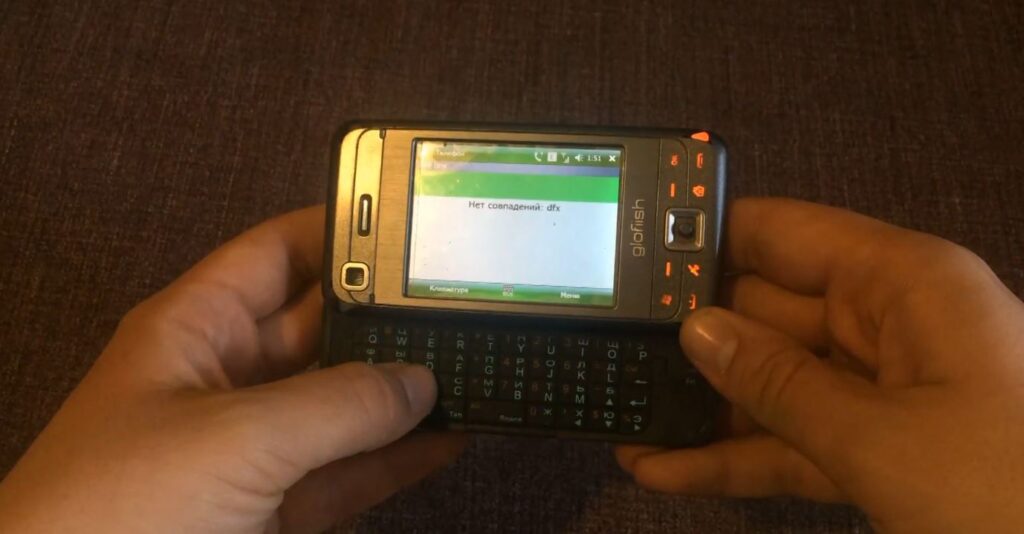
Nearly twenty years ago, a strange smartphone appeared on reviewers’ desks on a gloomy winter morning in London. The gadget was made by E-TEN, a Taiwanese manufacturer that many people had hardly heard of but who appeared intent on taking on more established firms like Nokia and HTC. At first look, the Glofiish X800 phone appeared to be a serious piece of equipment.
The shape is the first thing you notice when you pick it up. Although the X800 isn’t small, it also doesn’t feel awkward. It has a slightly industrial personality due to its aluminum casing and dark rubberized edges; this type of design suggests functionality rather than elegance. It feels manageable to slide it into a jacket pocket, though if the pocket is tight, it might not be completely comfortable.
Nevertheless, this gadget had an ambitious quality from the start. When the X800 was released in 2007, smartphone manufacturers were experimenting with what a mobile computer ought to look like. Keyboards were available on some phones. Stylus were used by others. Some tried both. The Glofiish X800, which ran Microsoft’s Windows Mobile 6 operating system, was firmly in the camp of stylus-driven devices.
In many respects, it made an effort to include nearly everything. The phone had built-in GPS, Wi-Fi, Bluetooth, and 3G HSDPA connectivity—a pretty daring combination at the time. It’s simple to forget how unique that mix used to be. Many phones only had one or two of those features back then. The X800 felt like a tiny portable computer because it contained all of them in one unit.
And the display was striking. Compared to many competing devices that continued to use lower-resolution QVGA panels, the phone’s 2.8-inch VGA screen (640×480 resolution) provided sharper visuals. For a phone that was released before the modern smartphone era really took shape, the screen felt noticeably crisper when viewing emails or photos.
It is nostalgic to see the interface in use today. The experience is dominated by drop-down menus, stylus taps, and tiny icons. It works, but it’s not exactly effortless. Because there is no physical keyboard on the X800, typing messages takes time. The on-screen keyboard functions well for brief responses, but writing longer emails feels a little tedious.
The gadget seems to have been made with business users in mind. Microsoft Word, Excel, and Outlook were available in Pocket versions on Windows Mobile, enabling users to edit documents and handle emails right on the device. It sounded strong in theory. In actual use, the tiny screen occasionally felt a little claustrophobic.
Nevertheless, the options for connectivity were truly remarkable. The 3G radio worked surprisingly well during testing, providing faster downloads than previous Windows Mobile devices, and connecting to Wi-Fi networks was simple. At the time, it was novel to see a small file download in seconds as opposed to minutes.
Attention should also be paid to the GPS feature. The phone could swiftly lock onto satellites even though it didn’t come with navigation software. Even though installing extra navigation apps was necessary, it felt oddly thrilling to stroll through city streets while the GPS viewer displayed coordinates and signal strength.
However, performance showed certain shortcomings. With only 64 MB of RAM and a 500 MHz Samsung CPU, the device occasionally experienced noticeable slowdowns. The interface might lag a little when you open multiple apps at once, as if the phone was taking a breath before continuing.
E-TEN might have misjudged how demanding Windows Mobile could be when combined with several features operating concurrently. The system felt responsive and fast at times. At other times, delays were hard to ignore, especially when multitasking.
Additionally, battery life elicited conflicting emotions. The phone could last for the majority of a day when used sparingly for things like checking emails, making calls, and occasionally surfing the web. However, turning on 3G, Wi-Fi, and GPS all at once depleted the battery considerably more quickly. The habit of carrying the charger became rather widespread.
The phone feels sturdy in the hand. The back panel has a 2-megapixel camera, which was fairly standard for smartphones at the time, and the casing looks sturdy. In well-lit conditions, the image quality is passable but not particularly impressive. Although they are sharp enough for instant sharing, photos are not likely to take the place of a dedicated camera.
The design elements strewn throughout the device are difficult to ignore. Navigation is possible without touching the screen thanks to a tiny joystick beneath the screen. Dedicated buttons start commonly used apps or open GPS tools. These features imply that engineers wanted to provide users with a variety of ways to engage with the phone.
The E-TEN Glofiish X800 seems to be a snapshot of a turning point in mobile technology when viewed in retrospect. The gadget was released right before touch-focused smartphones took over the market. The first Android devices and Apple’s iPhone would begin to change expectations in less than a year.
If the X800 had been released a few years earlier, would people’s perceptions of it have changed? Maybe. Because, in many respects, it was already making an audacious attempt to transform a phone into a fully functional pocket computer.
There’s a certain allure to the device’s intricacy when watching old demonstrations of it today, with the stylus tapping across tiny menus while GPS satellites slowly lock into place. It wasn’t flawless. Not even close. It was ambitious, though. And sometimes a device’s ambition alone is enough to make it memorable.
| Attribute | Details | Attribute | Details |
|---|---|---|---|
| Device Name | E-TEN Glofiish X800 | Manufacturer | E-TEN Information Systems |
| Release Year | 2007 | Operating System | Windows Mobile 6 Professional |
| Processor | Samsung 500 MHz CPU | Memory | 128 MB ROM / 64 MB RAM |
| Display | 2.8-inch VGA (640×480) touchscreen | Connectivity | GSM, 3G HSDPA, Wi-Fi, Bluetooth |
| Cameras | 2 MP rear camera, VGA front camera | Battery | 1530 mAh Li-Polymer |
| Notable Features | Built-in GPS, VGA display, 3G connectivity | Reference Website | https://www.cnet.com/reviews/e-ten-glofiish-x800-review/ |
E-Ten Glofiish X500 Plus Review
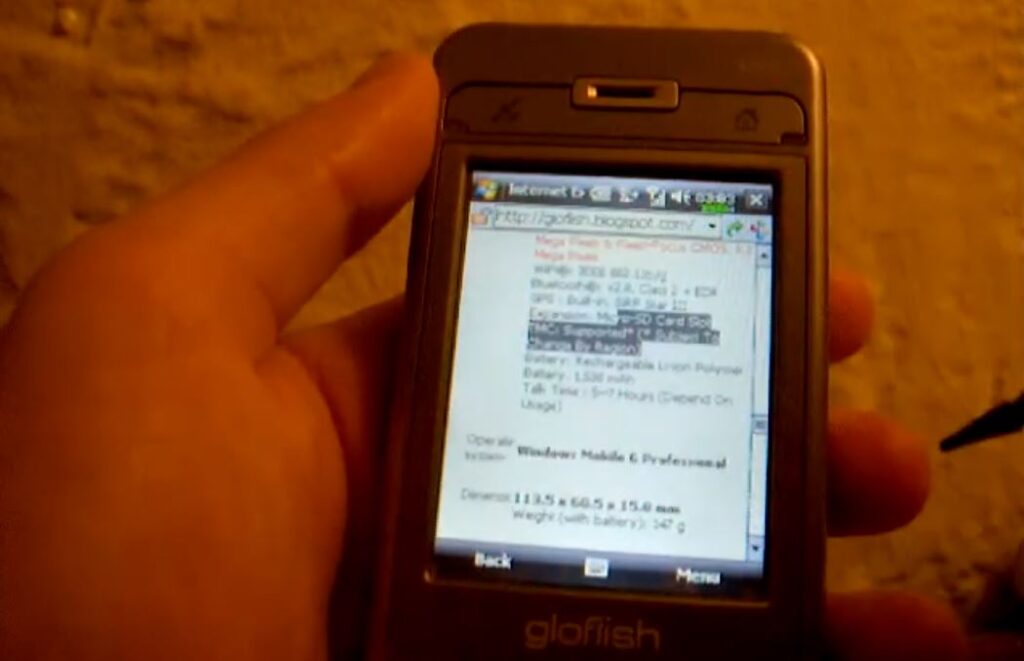
Before smartphones were standardized pieces of glass ten and a half years ago, the mobile industry felt more like an experimental workshop. They differ in terms of design, operating systems, and even what constitutes a “smartphone.” During that clamorous, competitive moment, a Taiwanese gadget known as the E-Ten Glofiish X500 Plus emerged.
The phone appeared straightforward at first, almost subtle. A stylus nestled into the bottom corner, a small touchscreen surrounded by hardware buttons, and a black rectangular body with rounded corners. Holding it for a short while, however, reveals another thing: ambition. This phone attempted to integrate office productivity, multimedia playback, Wi-Fi connectivity, and GPS navigation into a single portable gadget.
That combination felt daring back in 2007. An upgraded version of the Glofiish X500, the X500 Plus was released. When the screen lit up, the primary difference was instantly apparent. The phone had a 2.8-inch VGA screen with 640×480 resolution, which at the time was uncommon for Windows Mobile devices. The additional pixels produced noticeably sharper text and images when compared to the more popular QVGA screens.
There was an interesting response when browsing the device’s web pages or emails. Other phones just didn’t provide that sense of clarity. On maps, street names appeared clear. Details that were typically lost on smaller screens were visible in photos. It’s difficult to ignore E-Ten’s apparent pride in that screen.
However, the screen also presented a silent compromise. The 400 MHz Samsung processor that powers the phone was respectable at the time, but it occasionally found it difficult to handle the demands of the high-resolution display. There were occasions when opening applications required a brief pause. One moment, navigating menus might feel seamless, and the next, it might feel slow.
The amount of work that the VGA screen would require from the processor may have been underestimated by the engineers. It seems like the device is continuously juggling more than it can comfortably handle as you watch the interface switch between screens.
The feature list is still impressive, though. Using the SiRF Star III chipset, the phone has built-in GPS, which was a crucial feature in the late 2000s when satellite navigation was starting to gain popularity. Even indoors, close to a window, the device can lock onto satellites surprisingly fast using the GPS viewer app.
Naturally, the GPS function initially feels more like a demonstration than a complete tool when navigation software is not installed. Instead of showing directions, it shows altitude and coordinates. However, the phone becomes a pocket navigation device when apps like TomTom are installed; previously, this required a separate device that was mounted on the dashboard of a car.
The physical layout seems more functional than fashionable. The phone isn’t exactly small—it’s 113.5 mm tall and roughly 15.5 mm thick—but it fits comfortably in a jacket pocket. The device rarely slips from the hand thanks to its soft-touch black coating.
The edges are lined with buttons that give the impression of thoughtful design. The power and camera keys are on the right, while the volume controls and voice command button are on the left. A microSD card slot at the bottom enables storage expansion without taking the battery out, a minor convenience that subtly enhances daily use.
But typing is a patience exercise. The X500 Plus, like many Windows Mobile phones of the time, does not have a physical keyboard. The on-screen keypad and stylus are used for everything. It’s easy to write brief messages. Emails that are too long can get boring.
However, it is evident that the phone is aimed at professionals. By enabling users to view PowerPoint presentations, edit Word documents, and manage Outlook emails, Windows Mobile 6 effectively transforms the device into a tiny office terminal. With a stylus tapping across the tiny screen while seated in a coffee shop or airport lounge, it’s simple to see how popular this gadget was with business travelers back then.
Options for connectivity support that notion even more. With the phone’s support for Bluetooth, Wi-Fi, and EDGE data, users can access the internet and download emails without depending solely on mobile networks. Even in 2007, its lack of 3G support caused some concern, but Wi-Fi availability in homes and workplaces helped make up for that drawback.
It seems as though the 2-megapixel camera was an afterthought. In well-lit conditions, it produces usable images, but the quality is rarely impressive. The edges of photos tend to soften, and framing shots can be frustrating due to the outdoor visibility on the screen.
Surprisingly, battery life is good. A full day of moderate activity or several hours of GPS use are supported by the 1530 mAh battery. Given the power requirements of the VGA display and Wi-Fi, that endurance seems reasonable.
The Glofiish X500 Plus’s most notable feature is its feeling of being from a different experimental era. The manufacturers of smartphones were still trying to determine which factors—speed, connectivity, design, or software—were most important. E-Ten appeared intent on attempting everything at once.
The gadget works occasionally. The display is still truly amazing. GPS integration functions effectively. The phone gains personality from the assortment of extra features, which include contact management and business card scanning.
At other times, the limitations are evident. Under pressure, performance deteriorates. The absence of 3G is apparent. Additionally, the stylus-heavy interface already alluded to the impending changes in the sector.
In retrospect, it’s difficult to avoid seeing the Glofiish X500 Plus as a product of a turning point in the history of smartphones. Even though they occasionally made mistakes along the way, gadgets like these pushed the limits of what phones could do.
And there’s still a tinge of curiosity as you watch the screen light up today, icons popping up on that tiny, sharp display. The phone tried a lot of ideas before the rules were written, not because it changed the industry.
| Attribute | Details | Attribute | Details |
|---|---|---|---|
| Device Name | E-Ten Glofiish X500 Plus | Manufacturer | E-TEN Information Systems (Taiwan) |
| Release Year | 2007 | Operating System | Windows Mobile 6 Professional |
| Processor | Samsung S3C2440 400 MHz | Memory | 128 MB ROM / 64 MB RAM |
| Display | 2.8-inch VGA (640×480) touchscreen | Connectivity | GSM, EDGE, Wi-Fi 802.11b/g, Bluetooth |
| Cameras | 2 MP rear camera with macro mode | Battery | 1530 mAh Lithium-Polymer |
| Key Features | Built-in GPS, VGA display, FM radio | Reference Website | https://www.techradar.com/reviews/e-ten-glofiish-x500-plus |
Why E-TEN Glofiish Discontinued
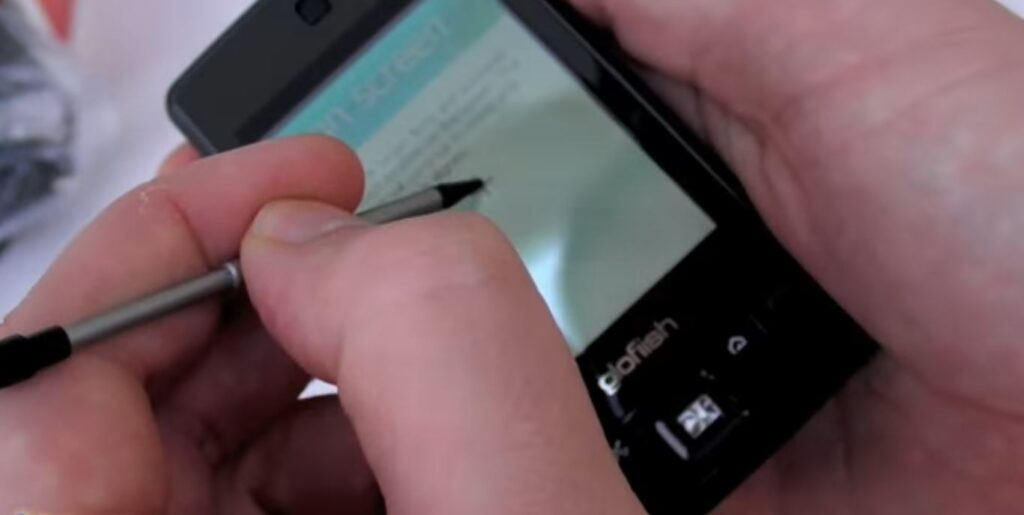
Today, a curious term called Glofiish occasionally surfaces on some tech forums amid conversations about foldable screens and contemporary Android smartphones. An old image of a black touchscreen phone with a stylus is posted online. Another recalls using its integrated GPS to navigate city streets. The inevitable next question is, “What happened to E-TEN?”
For a brief period in the middle of the 2000s, E-TEN Information Systems appeared to be one of the more interesting competitors in the expanding smartphone market. Before focusing on mobile devices, the Taipei-based company, which was founded in 1985, had spent years developing software and handheld electronics. By 2006, it had launched the Glofiish smartphone line, with models such as the X500 and M700 that crammed Microsoft’s Windows Mobile operating system, Wi-Fi, Bluetooth, and GPS into surprisingly small devices. Those characteristics were not shared at the time.
Even now, it still feels strangely ambitious to hold one of those early Glofiish phones. Sliding from the bottom edge was a stylus. Menus with dropdown lists and icons were shown on a tiny touchscreen. As satellites slowly connected overhead, GPS coordinates appeared on the screen. It felt more like a tiny computer attempting to do everything than a phone. And the plan worked for a while.
The Glofiish line was especially popular in Russia and Eastern Europe, where there was a rapidly increasing need for Windows Mobile devices. According to reports, E-TEN controlled more than 20% of Russia’s Windows Mobile smartphone market by the beginning of 2008, something even bigger rivals found difficult to accomplish. It’s difficult to imagine the optimism that existed within the company at the time, with developers improving software utilities, sales teams branching out into new markets, and engineers honing new models. However, the industry itself was changing underneath that advancement.
The original iPhone was released by Apple in January 2007. Although it seems ordinary to watch the launch today, it altered people’s perceptions of what a smartphone should look like at the time. All of a sudden, Windows Mobile phones’ stylus-driven interfaces started to feel dated. Menus were replaced by touch gestures. Complexity gave way to simplicity. Businesses like E-TEN found themselves in the midst of this change.
Their gadgets were intricate but potent. The interfaces were packed with tiny buttons made for styluses rather than fingers, and the screens were smaller. Many of the company’s engineers may have anticipated the change, but it would have taken a lot of resources to quickly adjust.
Smaller, more pragmatic difficulties also existed. There were few carrier partnerships. Customers frequently had to pay the full price up front because many Glofiish phones were sold unlocked rather than through major telecom operators. Even good devices had trouble getting in front of the general public without robust carrier promotion. Then the story came to an effective close.
Acer announced in March 2008 that it would pay about $290 million to acquire E-TEN. In the tech sector, the action wasn’t out of the ordinary. In order to acquire knowledge, patents, or engineering talent, larger corporations usually purchase smaller businesses. E-TEN was a desirable target because of its familiarity with Windows Mobile devices, and Acer’s leadership made it clear that they wanted a greater presence in the smartphone market.
For a split second, it appeared as though the Glofiish brand might survive under Acer’s control. Corporate changes, however, seldom keep everything intact. The E-TEN name gradually vanished from new gadgets. Acer started selling smartphones under its own name, subtly discontinuing the original name while incorporating some of E-TEN’s technology. The Glofiish brand had all but disappeared from store shelves by 2009.
Longtime users must have found it strange to watch that transition happen from the outside. The Glofiish DX900, one of the first dual-SIM Windows Mobile smartphones with HSDPA support, was one of the gadgets the company was releasing that year. The brand itself vanished the following year. Though it might not be totally accurate, it is tempting to characterize the disappearance as a failure.
Numerous businesses that contributed to the development of the first smartphones merely became part of bigger ecosystems. Their engineers, technologies, and concepts persisted across various brands. Even though the original Glofiish identity didn’t survive, the acquisition of E-TEN enabled Acer to enter the mobile market more aggressively. Nevertheless, the company’s timing is subtly intriguing.
E-TEN came along just before the smartphone market underwent a radical change. It created gadgets with a ton of features, like expandable storage, Wi-Fi connectivity, and GPS navigation, at a time when those features felt revolutionary. However, many manufacturers did not anticipate the speed at which touch-first operating systems and app-centric ecosystems would emerge.
It’s difficult to ignore the ambition behind those early phones when you look back on them. Long before contemporary smartphones were easy to use, engineers crammed wireless radios, satellite receivers, and desktop software into portable electronics.
Maybe that’s why, years later, the name is still mentioned in online conversations. Not because the market was dominated by Glofiish. It didn’t. However, it briefly captured a significant aspect of that era: a period in which businesses were still experimenting and making educated guesses about what a smartphone should be. And sometimes the industry moved to a completely different location, which is why those experiments vanish rather than because they failed.
| Topic | Key Information |
|---|---|
| Brand | Glofiish (smartphone line by E-TEN) |
| Active Years | Approximately 2006 – 2009 |
| Popular Models | X500, M700, X800, DX900 |
| Major Strength | Early integration of GPS, Wi-Fi, and Windows Mobile productivity tools |
| Market Highlight | Strong popularity in Russia and parts of Eastern Europe |
| Key Turning Point | Acer acquired E-TEN in 2008 for about $290 million |
| Main Reason for Discontinuation | After the acquisition, Acer replaced the E-TEN brand with its own smartphone lineup |
| Industry Context | Rise of touchscreen smartphones like the iPhone changed the market quickly |
| Reference | https://www.eyeonmobility.com/2006/e-ten-goes-thin-with-glofiish-x500-windows-mobile-phone/ |