
Close Menu
GlofiishGlofiish
    Facebook X (Twitter) Instagram
    Facebook X (Twitter) Instagram
    GlofiishGlofiish
    Subscribe
    • Home
    • Glofiish Devices
    • Technology
    • Tech Devices
    • News
    • About
    • Privacy Policy
    • Contact Us
    • Terms Of Service
    GlofiishGlofiish
    Home » The ‘Slow Tech’ Movement: Designing Gadgets Meant to Last 50 Years
    Tech Devices

    The ‘Slow Tech’ Movement: Designing Gadgets Meant to Last 50 Years

    Taylor LoweryBy Taylor LoweryMay 20, 2026No Comments4 Mins Read
    Facebook Twitter Pinterest LinkedIn Tumblr Email
    Share
    Facebook Twitter LinkedIn Pinterest Email

    A designer is using a standard Phillips-head screwdriver to unscrew the back of a phone somewhere in an Amsterdam workshop. No glue. No specialized equipment. No pentalobe theater that is exclusive. There are only a few visible screws and a drawer-like battery. The point is that it appears almost embarrassingly simple.

    The notion that a gadget should be a long-term relationship rather than a brief affair is what members of the so-called Slow Tech movement consistently return to. Additionally, the ambition has recently expanded in a way that ten years ago would have seemed ridiculous. Not for three years. Not seven. Fifty. A laptop, a phone, a kitchen appliance that might outlive the person who opened it.

    It’s an odd idea to accept, particularly in a field where release cycles are used to gauge success. The Framework engineers in California, the Fairphone team in the Netherlands, and the tinkerers behind tool libraries in Washington, DC, don’t sound like they’re chasing a hype curve. To be honest, they sound more like furniture makers. There’s a feeling that the gadget should be something you take care of rather than something you lament when the battery runs out.

    The figures that underlie all of this are not nuanced. Only about 22% of the approximately 62 million tons of e-waste that are produced worldwide each year are recycled, according to WHO data. Before anyone even turns on a brand-new smartphone, it produces about 60 kg of CO2. It’s difficult not to feel that the upgrade reflex that many of us inherited from the 2010s—the casual swap every eighteen months—was never truly sustainable when you see those numbers rise year after year. It was simply practical.

    The speed at which the cultural mood has changed is intriguing. Over the past year, Reddit mentions of “slow tech” have increased by 95%, and conversations about repair and reuse have increased by 82%, according to Back Market, a marketplace for reconditioned electronics. In the EU, refurbished smartphones now make up a larger portion of sales than the flatter market for new devices. This does not indicate that the movement has succeeded. However, the appetite is no longer marginal.
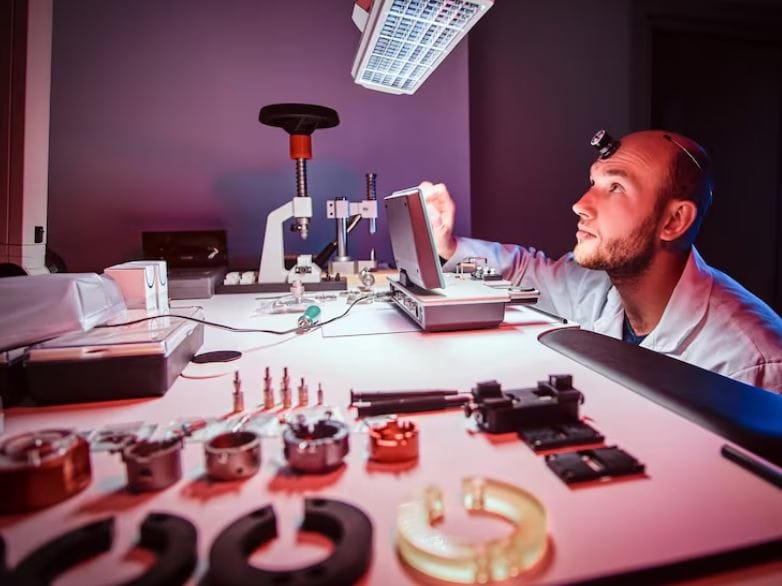
    The 'Slow Tech' Movement, Designing Gadgets Meant to Last 50 Years
    The ‘Slow Tech’ Movement, Designing Gadgets Meant to Last 50 Years

    Even sympathetic engineers are skeptical of the fifty-year goal, though. Reversible adhesives, batteries treated as consumables rather than fixtures, publicly available schematics, and software updates disconnected from hardware refresh cycles are just a few of the assumptions that must be reconsidered when building a device to last that long. Decades ago, Patagonia did a similar thing with jackets. Amplifiers from the 1970s have been cherished by hi-fi enthusiasts for fifty years. No one in the industry has provided a compelling explanation for why a phone should be exempt.

    The obvious gaps will be highlighted by skeptics. Software from 2056 cannot be run on a 2026 chip. Lithium chemistry deteriorates. Standards change over time. Additionally, there is a conflict that no one can completely resolve: churn, not stewardship, is how tech companies generate the majority of their revenue. It’s similar to asking a casino to promote early withdrawals when you ask Apple or Samsung to create a gadget for a grandchild.

    Even so, it’s difficult to ignore the subtle, silent changes. Two strangers were hunched over a broken laptop in a repair café in a community hall in London. A modular keyboard with interchangeable switches. Instead of being traded in, a Framework laptop is being passed down. These aren’t big gestures. They have a sense of domesticity. However, they allude to a different relationship with the things we carry, one in which a gadget may sustain scratches similar to those of a leather wallet and yet remain intact. It’s really still unclear if that future will materialize in five years, fifty, or never.

    Slow Tech Movement
    Share. Facebook Twitter Pinterest LinkedIn Tumblr Email
    Taylor Lowery
    • Website

    Taylor Lowery is a senior editor at glofiish.com, a technology writer, and a true circuit enthusiast. She works in the tech sector, so she does more than just cover it. Taylor works for a smartphone company during the day, which gives her a firsthand look at how gadgets are designed, manufactured, promoted, and ultimately placed in people's hands.Her writing is unique because of this insider viewpoint. Taylor makes the technical connections that other writers overlook, whether she's dissecting the silicon architecture of a new flagship chipset, analyzing the implications of a significant Android update for actual users, or tracking the effects of a new AI model announcement across the mobile industry.Her editorial focus covers every aspect of the current tech stack, including smartphone software and hardware, artificial intelligence (from large language models and generative tools to on-device inference), and the broader innovation trends influencing the direction of the consumer technology sector. She is especially passionate about the nexus of AI and mobile computing, which she feels is still in its most exciting early stages.

    Related Posts

    The Mac’s New DNA: What the M4-Powered iPad Air Says About Apple’s Master Plan

    May 20, 2026

    Why the Next Breakthrough in Computing Will Come From Fungi

    May 20, 2026

    Why Governments Are Suddenly Worried About AI in Smartphones

    May 12, 2026
    Leave A Reply Cancel Reply

    You must be logged in to post a comment.

    News

    The Hidden Tax on Budget Phones: How the Galaxy A57 Exposes an Industry Crisis

    By Taylor LoweryMay 20, 20260

    You’ll notice something strange if you walk into any mid-tier electronics store in Rawalpindi or…

    The Mac’s New DNA: What the M4-Powered iPad Air Says About Apple’s Master Plan

    May 20, 2026

    The Rise of the ‘Splinternet’: How Governments Are Building Their Own Webs

    May 20, 2026

    Why the Next Breakthrough in Computing Will Come From Fungi

    May 20, 2026

    The ‘Slow Tech’ Movement: Designing Gadgets Meant to Last 50 Years

    May 20, 2026

    The Psychological Impact of Growing Up with an AI Best Friend

    May 12, 2026

    How a 22-Year-Old Oxford Dropout Built the AI Agent Taking Over Wall Street

    May 12, 2026

    How AI is Quietly Destroying Workplace Trust—and How to Win It Back

    May 12, 2026

    The Resurgence of Airships: Tech’s Bizarre Plan for Zero-Emission Freight

    May 12, 2026

    Why Your Next Doctor’s Appointment Might Be with a Hologram

    May 12, 2026
    Disclaimer

    Glofiish.com’s content, which includes market reporting, technology analysis, AI commentary, and device coverage, is solely meant for general informational and educational purposes. Nothing on this website is intended to be financial, investment, legal, or professional technology advice specific to your situation.

    We’re strongly advise all readers to seek independent professional financial advice from a qualified financial adviser before making any financial, investment, or purchasing decisions based only on information found on this website. Technology markets are unstable; product availability, cost, and performance attributes fluctuate quickly.

    Facebook X (Twitter) Instagram Pinterest
    • Home
    • Glofiish Devices
    • Technology
    • Tech Devices
    • News
    • About
    • Privacy Policy
    • Contact Us
    • Terms Of Service
    © 2026 ThemeSphere. Designed by ThemeSphere.

    Type above and press Enter to search. Press Esc to cancel.