
Close Menu
GlofiishGlofiish
    Facebook X (Twitter) Instagram
    Facebook X (Twitter) Instagram
    GlofiishGlofiish
    Subscribe
    • Home
    • Glofiish Devices
    • Technology
    • Tech Devices
    • News
    • About
    • Privacy Policy
    • Contact Us
    • Terms Of Service
    GlofiishGlofiish
    Home » The Engineering Marvel Behind the World’s First Zero-Crease Foldable Phone
    News

    The Engineering Marvel Behind the World’s First Zero-Crease Foldable Phone

    Taylor LoweryBy Taylor LoweryJuly 31, 2026No Comments4 Mins Read
    Facebook Twitter Pinterest LinkedIn Tumblr Email
    Share
    Facebook Twitter LinkedIn Pinterest Email

    Spec sheets and promotional videos don’t fully convey one aspect of the OPPO Find N6. When you unfold it and run your finger over the inner display, nothing is visible. Not a ridge. Not a dip. There’s no subtle reminder that the gadget you’re holding physically folds in half. This feels genuinely odd to anyone who has used previous foldables and noticed that persistent crease the way you notice a scratch on a watch crystal.

    Since the introduction of the category, foldable phones have been plagued by the crease issue. It was never disastrous. The majority of people adjusted. However, it remained there as a silent protest against changing. For years, OPPO publicly acknowledged this, traced the problem back to their initial Find N, and pledged to find a solution rather than downplaying it in promotional language. They seem to have done just that with the Find N6.

    The engineering behind it begins with a process known as 3D Liquid Printing, which sounds futuristic but is fundamentally a precision manufacturing solution to a very particular physical issue. Hinge parts are never perfectly flat, especially the central plate that the display rests against when it is unfolded. A visible crease is the result of a variance in height caused by tiny surface irregularities at the microscopic level. For that variance, the industry standard tolerance had settled at about 0.2 mm.

    By using lasers to scan each hinge surface, OPPO’s 2nd-Generation Titanium Flexion Hinge reduces it to 0.05mm, a 75% reduction. Custom photopolymer droplets as small as 5 picoliters are then used to fill in any imperfections, and the droplets are instantly solidified with UV light. The procedure is repeated over 20 times until the surface is as nearly level as manufacturing permits.

    It’s worth stopping to consider that number. Five milliliters. A single raindrop has about 50 million times that volume, for comparison. The level of precision needed here came from creating a new process from the ground up, not from modifying an already-existing one.
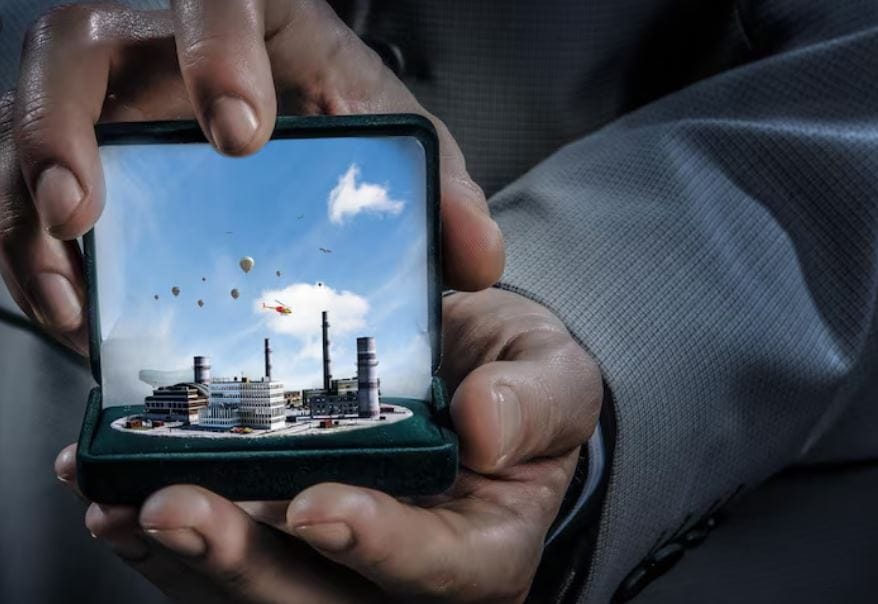
    The Engineering Marvel Behind the World’s First Zero-Crease Foldable Phone
    The Engineering Marvel Behind the World’s First Zero-Crease Foldable Phone

    Additionally, the hinge itself was rebuilt. In order to lessen the mechanical stress on the display during each fold, OPPO increased the folding radius by 11%. A carbon fiber plate keeps the entire structure light without compromising rigidity, and a new Clover Balance Pivot increases support force by 20%. These are not aesthetic adjustments. Each one deals with a particular mode of failure that leads to the gradual deepening of creases.

    Time is a crucial word in this situation. One issue is getting a foldable to appear flat right away. Another is maintaining its flatness after years of regular use. Older foldables developed more severe creases the longer they were used due to a phenomenon known as creep, in which the internal layers of the display gradually shift under repeated stress. The Find N6 uses what OPPO refers to as Auto-Smoothing Flex Glass to solve this. Compared to traditional ultra-thin glass, it is 50% thicker, resists deformation at a rate more than three times higher, and regains its shape almost twice as well. The glass practically springs back into shape as the phone unfolds, preventing the adhesive creep from leaving a mark.

    The device was certified by TÜV Rheinland, a German testing organization, to maintain minimal crease levels even after 600,000 folds. For their reliability certification, they also put it through a million fold cycles. It’s arguable whether the majority of users will ever come close to those figures in their lifetime with a single device, but the data indicates the engineering holds well beyond any realistic everyday use scenario.

    As this category grows, there’s a feeling that the foldable phone is finally turning into what it has always been: something that truly serves as both a phone and a tablet without making excuses for either. The most obvious representation of that compromise was always the crease. Price, software, and brand familiarity all play a role, so it’s still unclear if getting rid of it will be sufficient to drastically change mainstream adoption. However, it is now much more difficult to make the engineering case against foldables.

    Engineering Marvel
    Share. Facebook Twitter Pinterest LinkedIn Tumblr Email
    Taylor Lowery
    • Website

    Taylor Lowery is a senior editor at glofiish.com, a technology writer, and a true circuit enthusiast. She works in the tech sector, so she does more than just cover it. Taylor works for a smartphone company during the day, which gives her a firsthand look at how gadgets are designed, manufactured, promoted, and ultimately placed in people's hands.Her writing is unique because of this insider viewpoint. Taylor makes the technical connections that other writers overlook, whether she's dissecting the silicon architecture of a new flagship chipset, analyzing the implications of a significant Android update for actual users, or tracking the effects of a new AI model announcement across the mobile industry.Her editorial focus covers every aspect of the current tech stack, including smartphone software and hardware, artificial intelligence (from large language models and generative tools to on-device inference), and the broader innovation trends influencing the direction of the consumer technology sector. She is especially passionate about the nexus of AI and mobile computing, which she feels is still in its most exciting early stages.

    Related Posts

    Inside the Toronto Lab Using AI to Predict Viral Mutations Before They Emerge

    August 7, 2026

    The Bio-Printed Organ Era , Inside the San Francisco Lab Printing Human Kidneys on Demand

    August 7, 2026

    The Synthetic Reality Crisis , How Photorealistic AI Media Is Eroding Public Trust in Journalism

    August 7, 2026
    Leave A Reply Cancel Reply

    You must be logged in to post a comment.

    News

    Inside the Toronto Lab Using AI to Predict Viral Mutations Before They Emerge

    By Taylor LoweryAugust 7, 20260

    Omicron has been anticipated by the model. The shape of it, not the name, the…

    The Bio-Printed Organ Era , Inside the San Francisco Lab Printing Human Kidneys on Demand

    August 7, 2026

    The Synthetic Reality Crisis , How Photorealistic AI Media Is Eroding Public Trust in Journalism

    August 7, 2026

    The Silicon Valley AI Bubble , Why Top Investors Warn a $2 Trillion Correction Is Imminent

    August 7, 2026

    Why Vancouver Tech Engineers Are Building Sovereign AI Networks on Legacy Glofiish Boards

    August 7, 2026

    How AI-Driven Material Discovery Is Unlocking Battery Technologies in Months Instead of Decades

    August 7, 2026

    The Silicon Dawn , What Happens When Artificial General Intelligence Surpasses Human Capability?

    August 7, 2026

    From Taipei Factories to Wall Street Portfolios , The Strange Afterlife of E-Ten Communications

    August 7, 2026

    The AI Copyright Stalemate , Inside the High-Stakes Lawsuit Threatening Silicon Valley

    August 7, 2026

    How Brisbane Engineers Designed an Offshore Wave Generator That Outpowers Wind Turbines

    August 7, 2026
    Disclaimer

    Glofiish.com’s content, which includes market reporting, technology analysis, AI commentary, and device coverage, is solely meant for general informational and educational purposes. Nothing on this website is intended to be financial, investment, legal, or professional technology advice specific to your situation.

    We’re strongly advise all readers to seek independent professional financial advice from a qualified financial adviser before making any financial, investment, or purchasing decisions based only on information found on this website. Technology markets are unstable; product availability, cost, and performance attributes fluctuate quickly.

    Facebook X (Twitter) Instagram Pinterest
    • Home
    • Glofiish Devices
    • Technology
    • Tech Devices
    • News
    • About
    • Privacy Policy
    • Contact Us
    • Terms Of Service
    © 2026 ThemeSphere. Designed by ThemeSphere.

    Type above and press Enter to search. Press Esc to cancel.