
Close Menu
GlofiishGlofiish
    Facebook X (Twitter) Instagram
    Facebook X (Twitter) Instagram
    GlofiishGlofiish
    Subscribe
    • Home
    • Glofiish Devices
    • Technology
    • Tech Devices
    • News
    • About
    • Privacy Policy
    • Contact Us
    • Terms Of Service
    GlofiishGlofiish
    Home » How Wearable Tech is Predicting Seizures Before They Happen
    Tech Devices

    How Wearable Tech is Predicting Seizures Before They Happen

    Taylor LoweryBy Taylor LoweryJune 12, 2026No Comments4 Mins Read
    Facebook Twitter Pinterest LinkedIn Tumblr Email
    Share
    Facebook Twitter LinkedIn Pinterest Email

    The majority of people use a smartwatch to track their steps and view notifications. It may eventually be the signal for someone with epilepsy that a seizure is imminent, giving them enough time to sit down, call someone, or just get away from danger. That possibility, which is still developing in research labs on at least two continents, is starting to feel more like engineering with a deadline than science fiction.

    Approximately 1% of people worldwide suffer from epilepsy. Up until you realize what it truly means to live with uncontrollable seizures, the numbers are sufficiently large to be abstracted away. It becomes impossible to drive. It is not acceptable to swim by yourself. Cooking is risky. The risk of sudden death in epilepsy, or SUDEP, is 27 times higher than that of sudden death in the general population. This statistic tends to change after two readings. Unpredictability is the primary cruelty. Despite taking medication, nearly one-third of people with epilepsy still have seizures. For them, the daily concern is not whether a seizure will occur, but rather when, where, and whether anyone nearby will know what to do.
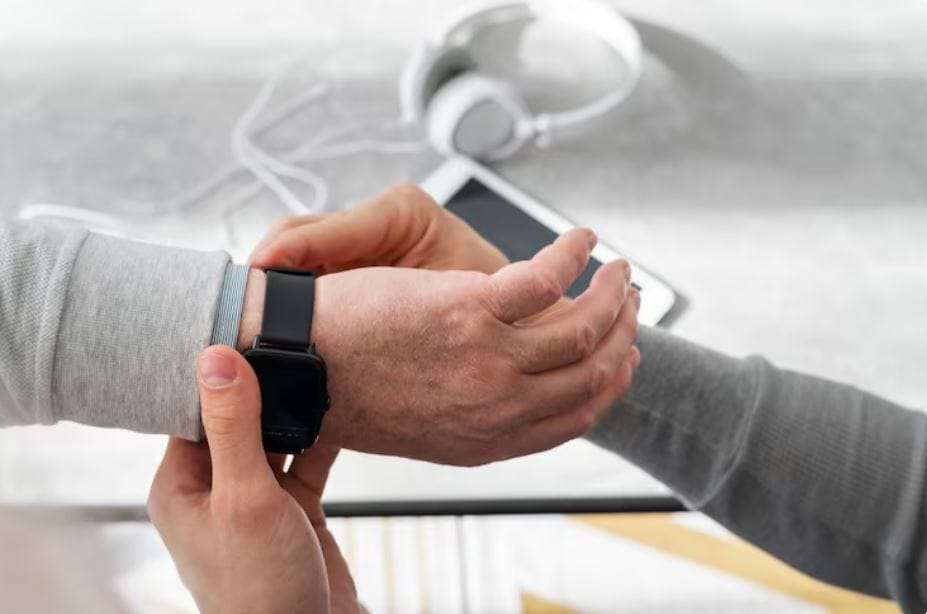
    How Wearable Tech is Predicting Seizures Before They Happen
    How Wearable Tech is Predicting Seizures Before They Happen

    Seizures aren’t quite as random as they seem, according to what researchers have begun to piece together. Both the body and the brain send signals. Seizures tend to follow circadian and multiday rhythms, which are biological cycles that can be observed in heart rate, sleep patterns, and even step counts. When fed months’ worth of this data, a machine learning model can learn to identify when those cycles are approaching a window of high risk. It cannot read minds. However, it can recognize patterns, and sometimes patterns are sufficient.

    Wearable smartwatches combined with machine learning models trained on heart rate cycles and sleep data were found to predict seizures above chance in every single participant when forecasting by the hour in a study that followed individuals with refractory epilepsy for an average of almost fifteen months. That model’s average warning time was 37 minutes, which is easily enough to sit down, get in touch with someone, or stay away from a kitchen knife but not long enough to reroute a life. It’s difficult to ignore that particular, human number for even a brief moment.

    An even more advanced wearable headset that simultaneously analyzes cardiac signals and brainwaves is being developed by a research team at Glasgow Caledonian University. Up to 95% accuracy is claimed by their AI algorithm, which was trained on thousands of hours of EEG and ECG recordings. Earlier this year, the team was awarded additional funding through the UK’s Research and Innovation program. The lead researcher has expressed a desire for the finished product to be discreet, wireless, and resemble a lightweight cap. It’s still unclear if it will take that form, but the underlying science seems strong enough to sustain funding.

    There are actual issues that the scientific community has yet to fully address. Wearable device adherence is more difficult over the long term than early trials indicate. When the novelty wears off, people either forget to charge them, find them uncomfortable, or just move on. Concerns about data security and privacy in relation to ongoing physiological monitoring are still real and not incidental. Furthermore, it is still difficult to identify seizure types other than tonic-clonic events, which are the dramatic, convulsive type that sensors most accurately identify. The way that focal seizures and absence seizures shake the wrist differs.

    However, over the past few years, something has changed. Research teams at King’s College London have been conducting studies in which participants wear portable caps every day and control their own EEG recordings at home without clinical supervision. In the end, the messy and imperfect data from those home environments might yield forecasting models that are more helpful than anything produced in a hospital setting. The field appears to be heading in that direction, moving away from tools that people visit and toward tools that people actually live in.

    Piece by piece, a future where the morning forecast encompasses more than just the weather is being constructed. This research gives the impression that the gap between what technology can measure and what medicine can do is closing more quickly than most people outside the field are aware.

    Wearable Tech
    Share. Facebook Twitter Pinterest LinkedIn Tumblr Email
    Taylor Lowery
    • Website

    Taylor Lowery is a senior editor at glofiish.com, a technology writer, and a true circuit enthusiast. She works in the tech sector, so she does more than just cover it. Taylor works for a smartphone company during the day, which gives her a firsthand look at how gadgets are designed, manufactured, promoted, and ultimately placed in people's hands.Her writing is unique because of this insider viewpoint. Taylor makes the technical connections that other writers overlook, whether she's dissecting the silicon architecture of a new flagship chipset, analyzing the implications of a significant Android update for actual users, or tracking the effects of a new AI model announcement across the mobile industry.Her editorial focus covers every aspect of the current tech stack, including smartphone software and hardware, artificial intelligence (from large language models and generative tools to on-device inference), and the broader innovation trends influencing the direction of the consumer technology sector. She is especially passionate about the nexus of AI and mobile computing, which she feels is still in its most exciting early stages.

    Related Posts

    Apple’s $599 iPhone 17e is Here: A Brilliant Strategy or a Desperate Pivot?

    July 24, 2026

    Why European Regulators Are Threatening to Pull the Plug on Generative AI

    July 24, 2026

    Inside the $12 Billion Push to Bring Direct-to-Device Satellite Internet Global

    July 20, 2026
    Leave A Reply Cancel Reply

    You must be logged in to post a comment.

    Tech Devices

    Apple’s $599 iPhone 17e is Here: A Brilliant Strategy or a Desperate Pivot?

    By Taylor LoweryJuly 24, 20260

    When Apple revealed the iPhone 17e on March 2, 2026, consumers were halted in their…

    Why the Internet of Things is a Ticking Time Bomb for Global Security

    July 24, 2026

    Why European Regulators Are Threatening to Pull the Plug on Generative AI

    July 24, 2026

    The Hidden Environmental Cost of the AI Boom

    July 24, 2026

    The Unsung Heroes Keeping the World’s Legacy Code from Collapsing

    July 24, 2026

    How AI is Deciphering Endangered Languages Before They Disappear

    July 20, 2026

    Governments Are Turning to AI to Predict Economic Crises

    July 20, 2026

    How Nanotechnology is Creating Indestructible Materials for Consumer Electronics

    July 20, 2026

    How Deep Sea Data Cables Are Becoming the Prime Targets of Geopolitical Sabotage

    July 20, 2026

    Why China’s AI Ambitions Are Alarming Silicon Valley

    July 20, 2026
    Disclaimer

    Glofiish.com’s content, which includes market reporting, technology analysis, AI commentary, and device coverage, is solely meant for general informational and educational purposes. Nothing on this website is intended to be financial, investment, legal, or professional technology advice specific to your situation.

    We’re strongly advise all readers to seek independent professional financial advice from a qualified financial adviser before making any financial, investment, or purchasing decisions based only on information found on this website. Technology markets are unstable; product availability, cost, and performance attributes fluctuate quickly.

    Facebook X (Twitter) Instagram Pinterest
    • Home
    • Glofiish Devices
    • Technology
    • Tech Devices
    • News
    • About
    • Privacy Policy
    • Contact Us
    • Terms Of Service
    © 2026 ThemeSphere. Designed by ThemeSphere.

    Type above and press Enter to search. Press Esc to cancel.