

Right now, the lesson is being measured in some classrooms, not just taught. It’s not just grades or coming to class. That wasn’t intimate enough. A camera or sensor that is quietly connected to the room’s digital infrastructure is reading small changes in a student’s face and keeping track of their eye movements to keep track of whether they look interested, lost, or somewhere else. AI that can track emotions is now being used in real schools, not just in research papers. It’s not important to know if it works. It’s about whether it should.
It makes sense to make the appeal. A basic lack of information has always existed in education. When there are thirty students in front of a teacher, the teacher has to constantly guess who is following and who checked out twenty minutes ago. AI tools that say they can close that gap really do hold a lot of promise. Researchers who studied AI-assisted language learning, including a qualitative study of Turkish as a Foreign Language teachers, found that teachers felt truly motivated when AI helped them figure out what their students needed more precisely and change how they taught in real time. That’s not nothing. It is very important for teachers to be able to tell when a student is having trouble before they fall behind.
Having AI help a teacher is not the same as having AI watch a child. Systems that track emotions are too close to that line to be comfortable. It’s not always about the lesson when someone looks confused. If a student doesn’t seem interested in what they’re doing, they might be tired, stressed, hungry, or thinking about something at home that has nothing to do with school. When you turn emotional states like “frustrated,” “bored,” or “attentive” into data outputs, you take away the context that gives those states meaning. A good teacher looks around the room and asks a question to find out more. A variable is logged by an algorithm.
It seems like teachers can feel this tension in their bodies. The same research that shows how excited teachers are about AI also shows how uneasy people are. Fear of losing the power to do your job. Untrustworthiness toward systems that seem to watch instead of help. It’s hard to put into words the feeling that something very human is being given to a process that doesn’t quite know what it’s measuring. One issue that came up over and over was the “English-centric” bias that is built into most AI tools. This is a problem that, at least in a symbolic sense, also affects emotion detection. How people feel is shaped by their culture. A student from one background might show confusion, respect, or discomfort in a way that a system trained in a different area would completely miss.
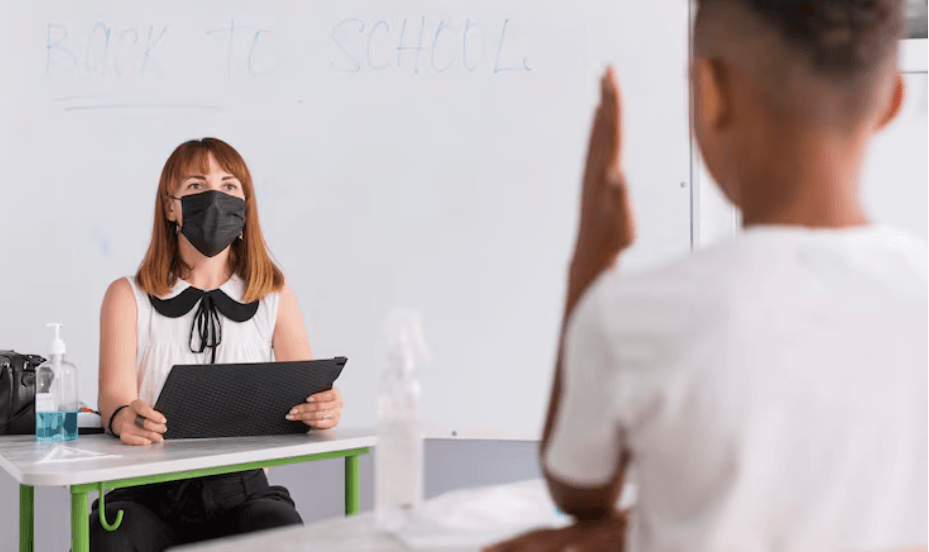
What will happen to the data is another question. The emotional profiles of minors are very sensitive. A child who is marked as disengaged over and over again builds a record. That record can change how teachers see them, how resources are distributed, and maybe even how future systems classify their abilities. It’s not necessary to have bad intentions to abuse the system; it only takes normal institutional drift, data being shared too widely, and drawing too many conclusions from signals that were never as clear as the dashboard suggested.
More research needs to be done to find out if most parents really understand how these tools are being tested in schools. The rollout usually takes place in the background and is billed as personalized learning or student support. That way of framing isn’t really wrong. But it’s missing a lot. Consent processes, when they exist at all, aren’t usually made to explain what emotional monitoring is. And children almost by definition can’t agree to having their words and actions saved by systems they can’t question or challenge.
This doesn’t mean that technology shouldn’t be used in school. An AI that helps a teacher figure out which parts of a lesson didn’t work with the students, without storing emotional data or identifying specific students, is very different from a system that builds psychological profiles of each student over months. The difference is very important, and the line between those two things is not being drawn carefully enough right now. Schools should have better supplies. Students need to be better protected. There’s not much reason to believe that they’re getting either right now.
