

A technician wearing a hairnet removes a tray of pink, marbled tissue from a bioreactor somewhere outside of Rehovot in an Israeli industrial park with a subtle stainless steel and yeast odor. It appears to be beef. It cooks similarly to beef. The people investing a lot of money in this odd new venture claim that it may eventually render the slaughterhouse obsolete. That’s the pitch, at least. It’s another matter entirely whether the pitch reflects reality.
In less than ten years, the concept of “clean meat”—flesh produced from cultured animal cells without the animal—has evolved from a sci-fi curiosity to a billion-dollar business. It’s Bill Gates. Richard Branson is as well. At least two start-ups have used Leonardo DiCaprio’s name. Supermarkets in a few cities now carry plant-based products that, a few years ago, would have been laughed at at a barbecue. In 2020, Singapore approved the first commercial sale of cultivated chicken. Walking through a Whole Foods these days gives you the impression that something is changing in the meat section. The packaging makes more noise. The assertions are more audacious. Soy has come out of hiding.
Investors appear to think there is not much time left. According to some analysts, by the early 2030s, cultivated meat may take a significant portion of the protein market. Some, less enthusiastic, point out that it is still a very challenging engineering problem to scale a bioreactor to produce a chicken nugget at supermarket prices. The unsettling growth medium that most labs used to rely on, bovine fetal serum, has largely been phased out, but cost is still the obstacle that everyone must overcome. Once costing $300,000 to produce, a single cultivated burger now only costs a few dollars. Outstanding. It’s still not the $1.99 patty at a Lubbock or Lahore roadside diner.
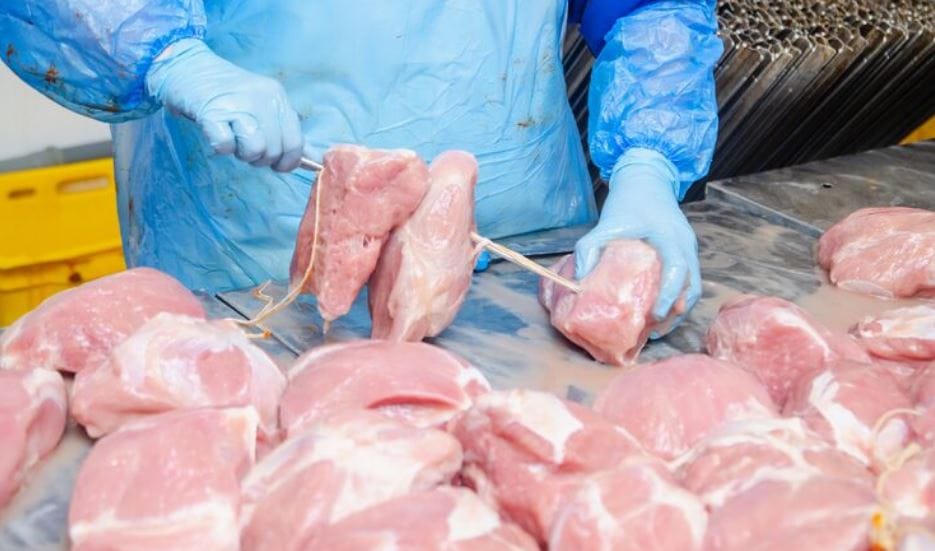
The question of who is paying for all of this is more difficult to discuss and is often left out of the upbeat press releases. The massive German poultry company PHW kills 350 million chickens annually. These businesses are not renowned for their moral revelations. They are using hedging. When it comes out, their internal language views farmed meat as “another competitor in a huge global protein market,” rather than as an alternative to the cages and conveyor belts they currently possess. While writing checks to clean-meat start-ups, Cargill has invested nearly $600 million in traditional protein in North America. The contradiction is difficult to ignore.
This is a “catch and kill” approach, according to animal rights author John Sanbonmatsu: purchase the technology, neutralize it, and control the timeline. That might be overly pessimistic. Or perhaps it’s just dark-clad realism. It’s true that creating a better burger has never been the only way to put an end to factory farming. Culture, habit, subsidies, lobbyists, and the unglamorous economics of a $1 trillion industry that feeds billions and employs millions are all factors.
Something is still moving, though. Nowadays, plant-based dairy is a common category in supermarkets rather than a specialty. Younger consumers report eating less meat than their parents, especially in Western Europe and parts of East Asia. This is frequently due to vague uneasiness rather than ideology. After being hollowed out by industrial consolidation for two generations, family farms might find an odd second life selling boutique meat to consumers who prefer fewer animals raised with greater care. It is possible to rewild some land. Some farms could be used as therapeutic settings, classrooms, or havens. All of this is not assured. The majority of it is dependent on decisions that have not yet been made.
It’s tempting to declare the factory farm finished as you watch this develop. It isn’t. Not just yet. However, it has significant competition for the first time in a century, and the men pulling pink tissue from machines in stainless-steel labs while wearing hairnets appear to be aware of this.
