
Close Menu
GlofiishGlofiish
    Facebook X (Twitter) Instagram
    Facebook X (Twitter) Instagram
    GlofiishGlofiish
    Subscribe
    • Home
    • Glofiish Devices
    • Technology
    • Tech Devices
    • News
    • About
    • Privacy Policy
    • Contact Us
    • Terms Of Service
    GlofiishGlofiish
    Home » Inside the Secret Labs Building Solid-State Batteries for the Next iPhone
    Tech Devices

    Inside the Secret Labs Building Solid-State Batteries for the Next iPhone

    Taylor LoweryBy Taylor LoweryJune 1, 2026No Comments4 Mins Read
    Facebook Twitter Pinterest LinkedIn Tumblr Email
    Share
    Facebook Twitter LinkedIn Pinterest Email

    There are labs deep within Apple’s Cupertino campus that are rarely seen by journalists and that the firm does not publicly discuss. These labs are located beyond the visiting areas, the product display halls, and the cafeterias that smell of whatever the engineers are eating at 2 p.m. on a Tuesday. Apple folklore describes the durability laboratories as spaces where iPhones are dropped thousands of times from exact heights onto perfectly calibrated surfaces until someone is happy that the number is high enough.

    Though maybe more significant, the battery labs are less well-known. What transpires within them will ultimately reveal the reason why the battery feels like an afterthought, a problem that has plagued iPhone owners for as long as the gadget has been around.
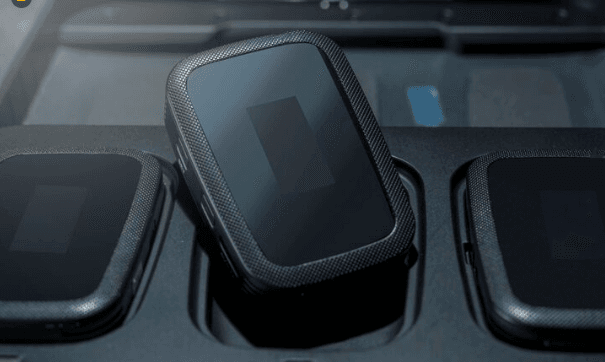
    Solid-State Batteries for the Next iPhone
    Solid-State Batteries for the Next iPhone

    Unlike most Apple hardware rumors, which are based on analyst conjecture and supply chain rumors, Apple’s quiet transition to solid-state battery technology is not a rumor. TDK, Apple’s main battery supplier, recently reported a breakthrough in their CeraCharge solid-state technology, achieving a volumetric energy density of 1,000 Wh/L. This is an engineering project with a documented foundation.

    That figure, which was attained by substituting a solid ceramic material for the liquid electrolyte found in a traditional battery, is a significant improvement over what is currently provided by lithium-ion cells. Existing batteries are unstable at high temperatures because of liquid electrolytes, which have the potential to leak, cause thermal runaway in the worst situations, and limit the amount of energy that can be securely contained in a given container. In theory, these limitations are eliminated when the liquid is removed.

    In actuality, the engineering difficulties are significant enough that TDK is currently using CeraCharge in devices like the Apple Watch and AirPods, which have small form factors, low power requirements, and somewhat more forgiving manufacturing tolerances than a smartphone that must last years in a pocket. The challenge facing Apple’s labs, as well as the labs of all other battery companies researching this technology, is scaling a delicate ceramic electrolyte structure up to the size and energy requirements of an iPhone. That includes the silicon anode problem.

    Compared to graphite, which is currently used in most lithium-ion anodes, silicon can store far more energy. However, after charging, silicon expands by up to 300%, expanding with each cycle in a way that, if left unchecked, would deform the battery and eventually the device surrounding it. Apple’s developers have been experimenting with ways to limit that growth, and some strategies are effective in lab settings. It is a completely different kind of difficulty to get them to function reliably over hundreds of millions of units at production scale.

    High-silicon or silicon-carbon composite anodes, a material that combines the energy storage benefits of silicon with the structural stability of graphite to fall somewhere between the two in terms of capacity and durability, are the transitional step being discussed in the supply chain before a pure solid-state cell arrives.

    Through this method, rumored configurations for future Pro Max models are getting close to 6,000 mAh, which would be a significant boost over current capacity without necessitating the complete manufacturing revolution that solid-state requires. It’s not a destination, but a bridge. However, bridges are important when the final objective is still a few building seasons away.

    The timeframe that is most commonly mentioned in the hardware community links the significant redesign of the battery architecture to the 20th anniversary of the iPhone. This milestone has enough symbolic significance to support a truly revolutionary change rather than a gradual one. battery life of several days. quicker charging without deterioration from heat.

    Instead of the deterioration that consumers now acknowledge as inevitable, a battery that retains more of its initial capacity after three years. It’s still uncertain if the anniversary will come before the technology or if the production scale issues will be resolved in time for that window. It’s clear that Apple understands how crucial it is to get this right by pushing suppliers like TDK, moving toward silicon anodes, and handling the structural difficulties in those unremarkable-looking facilities. Whether the chemistry concurs is the question.

    Liquid-electrolyte lithium-ion cells solid ceramic or oxide-based electrolyte Solid-State Batteries for the Next iPhone
    Share. Facebook Twitter Pinterest LinkedIn Tumblr Email
    Taylor Lowery
    • Website

    Taylor Lowery is a senior editor at glofiish.com, a technology writer, and a true circuit enthusiast. She works in the tech sector, so she does more than just cover it. Taylor works for a smartphone company during the day, which gives her a firsthand look at how gadgets are designed, manufactured, promoted, and ultimately placed in people's hands.Her writing is unique because of this insider viewpoint. Taylor makes the technical connections that other writers overlook, whether she's dissecting the silicon architecture of a new flagship chipset, analyzing the implications of a significant Android update for actual users, or tracking the effects of a new AI model announcement across the mobile industry.Her editorial focus covers every aspect of the current tech stack, including smartphone software and hardware, artificial intelligence (from large language models and generative tools to on-device inference), and the broader innovation trends influencing the direction of the consumer technology sector. She is especially passionate about the nexus of AI and mobile computing, which she feels is still in its most exciting early stages.

    Related Posts

    The ‘Forever Battery’: Inside the Lab Creating Tech That Never Needs Charging

    June 4, 2026

    China’s AI Smartphone Race Is Quietly Reshaping the Global Tech Industry

    June 4, 2026

    The Truth About Samsung’s Claimed ‘Unrivaled’ Smartphone Brightness

    June 4, 2026
    Leave A Reply Cancel Reply

    You must be logged in to post a comment.

    Lifestyle

    A Pocket-Sized AI Brain Built With Monkey Neurons Shocks Scientists

    By Taylor LoweryJune 4, 20260

    The notion that the secret to more effective artificial intelligence was always hidden inside the…

    The ‘Forever Battery’: Inside the Lab Creating Tech That Never Needs Charging

    June 4, 2026

    The Looming Death of the App Store: How AI Agents Will Run Your Phone

    June 4, 2026

    The Ethical Quagmire of AI Judges Presiding Over Small Claims Courts

    June 4, 2026

    China’s AI Smartphone Race Is Quietly Reshaping the Global Tech Industry

    June 4, 2026

    The Truth About Samsung’s Claimed ‘Unrivaled’ Smartphone Brightness

    June 4, 2026

    Why Economists Say AI Is Reaching a “Point of No Return”

    June 4, 2026

    The Silent Epidemic of E-Waste and the Companies Trying to Mine It

    June 4, 2026

    The Robotic Pollinators Designed to Survive a Post-Bee World

    June 4, 2026

    How Technology is Bridging the Gap in Autism Communication

    June 4, 2026
    Disclaimer

    Glofiish.com’s content, which includes market reporting, technology analysis, AI commentary, and device coverage, is solely meant for general informational and educational purposes. Nothing on this website is intended to be financial, investment, legal, or professional technology advice specific to your situation.

    We’re strongly advise all readers to seek independent professional financial advice from a qualified financial adviser before making any financial, investment, or purchasing decisions based only on information found on this website. Technology markets are unstable; product availability, cost, and performance attributes fluctuate quickly.

    Facebook X (Twitter) Instagram Pinterest
    • Home
    • Glofiish Devices
    • Technology
    • Tech Devices
    • News
    • About
    • Privacy Policy
    • Contact Us
    • Terms Of Service
    © 2026 ThemeSphere. Designed by ThemeSphere.

    Type above and press Enter to search. Press Esc to cancel.