

Holding a contemporary smartphone has a subtle surreal quality. It weighs hardly more than a deck of cards, the glass feels cool, and the edges are spotless. There is nothing about it that suggests trillion-dollar supply chain conflicts, war rooms, or geopolitical standoffs are being fought in its name. Beneath that narrow rectangle, however, is a piece of technology that governments are spending tens of billions of dollars to control, businesses are reorganizing entire operations to secure, and analysts now refer to as the most strategically significant material in the global economy.
The chip is that part. In particular, the compact, dense processors and memory chips that power contemporary smartphones. They also ceased to be merely a product at some point in the past few years, quietly but firmly. They turned into leverage.
The change was not the result of a single incident. It emerged as a result of a number of factors, including a pandemic that revealed the true fragility of the semiconductor supply chain, a geopolitical rivalry between the US and China that made chip manufacturing a national security concern, and, most recently, the AI boom. That final section merits more consideration than it typically receives.
Large amounts of memory chips were required for data centers when generative AI took off in 2023 and businesses started building them at a breakneck pace. Your phone’s memory chips are the same. Sensing where the money was, Asia’s biggest chip manufacturers started shifting their focus to AI clients. There was much less left over for consumer electronics.
The International Data Corporation reported in 2026 that smartphone prices have already reached all-time highs due to this shortage. This year, the average smartphone selling price is predicted to reach $523, an increase of about 14%, while low-cost phones under $100 might completely disappear. The memory supply chain was the source of the “tsunami-like shock” that the IDC characterized. It’s not hype. It’s simply true.
The fact that this shortage is permanent sets it apart from earlier chip shortages. Previous disruptions, such as the semiconductor shortage during the pandemic, seemed fleeting, like a traffic bottleneck that would eventually pass. It has a structural feel to it. The need for AI won’t go away. It’s actually speeding up. Once balancing supply between consumer devices and data centers, chip manufacturers are now investing permanently in AI infrastructure. Smartphone manufacturers are forced to compete with cloud computing behemoths with practically limitless funding for scraps.
Over half of a flagship smartphone’s manufacturing costs are attributed to semiconductors. According to TechInsights analysis, the iPhone’s core processor alone accounts for about $81 of the device’s estimated $527 manufacturing cost. This is before taking into consideration the communications chips, memory chips, and the twelve other silicon components dispersed throughout the device. It’s possible that the majority of people have never considered their phone as an assembly of chips with a glass screen attached rather than as a camera or communication device.
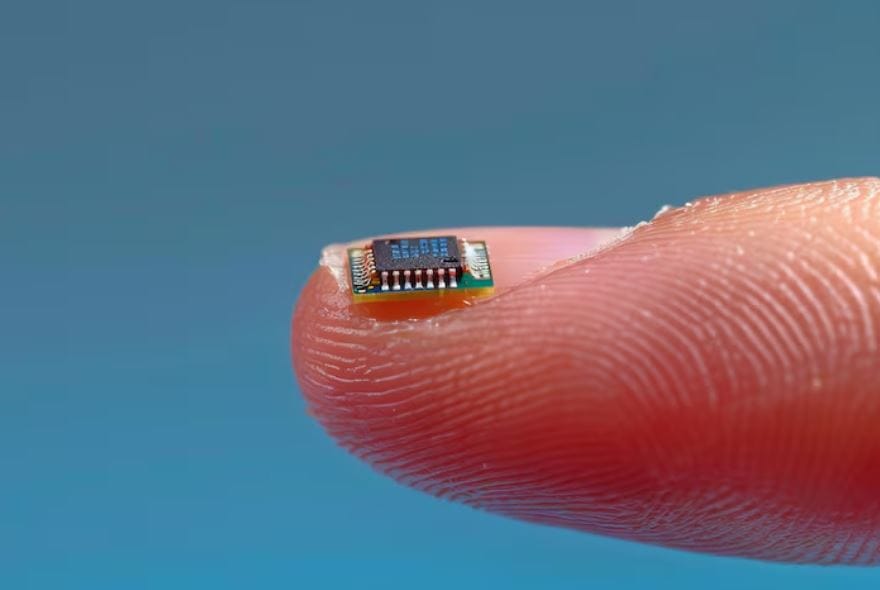
It becomes truly tense when it comes to the geographic aspect of all this. One company, TSMC, manufactures the great majority of the most sophisticated chips in the world in Taiwan. The kind of detail that keeps defense strategists up at night is the concentration of manufacturing power in one location, on an island that China disputes. In order to address this, the US passed the CHIPS Act, which committed $54 billion to support domestic semiconductor manufacturing. It’s a good intention. The economics are intricate. Building factories in Arizona is four to five times more expensive than building the same facility in Taiwan, as TSMC has publicly stated. These expenses do not go away. Eventually, they end up somewhere, usually on the customer.
Observing all of this gives me the impression that the smartphone chip has grown much larger than its actual size would indicate. It’s a stand-in for industrial power, a hot spot in the US-China rivalry, a bottleneck that AI firms and phone manufacturers are fighting over at the same time, and increasingly the reason your next phone upgrade will cost more than the previous one. Since silicon makes up the majority of the Earth’s crust, it has always been plentiful. However, the sophisticated, manufactured chip that can perform billions of operations per second and is etched at scales smaller than a virus is genuinely rare, genuinely difficult to produce, and genuinely in short supply right now.
It’s difficult to ignore the irony. These chips become more controversial and costly as they become more essential. The technology that was meant to bring people together is now at the heart of an antiquated conflict over resources, geography, and who gets to produce the goods that the rest of the world depends on.
