

Locate a genuine antique arcade cabinet with a monitor placed into a wooden housing, a control panel polished by ten years of use, and artwork along the sides faded to a sort of nostalgic pastel, then hit start. Flat sprites, two or three frames of walk motion, and an adversary approaching from the right with a predictable telegraph fill the screen. Punch, kick, and go forward. It was never difficult. It was never an attempt.
The beat-em-up genre was based on a loop that is so fundamental that it hardly counts as game design in the contemporary sense: keep moving, hit objects, and go right. Because it appeared to be a dead end—too basic, too repetitive, and too small to justify modern budgets—developers gave it up for fifteen years. They were incorrect on all three points, and 2026 is making that clear in a way that feels more like a long-overdue corrective than a vindication.
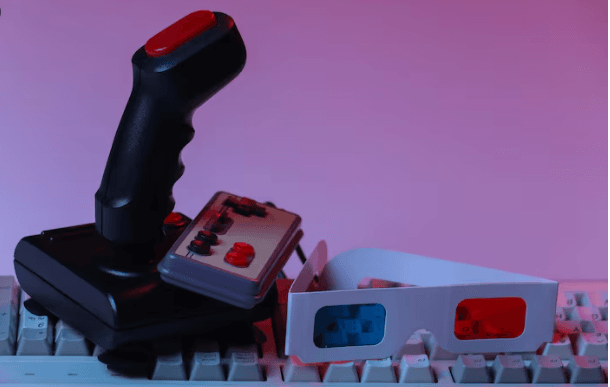
In the era of 4K ray tracing, the arcade brawler is making a comeback on two tracks at the same time, both of which are intriguing for various reasons. The first is the song “pure nostalgia,” which is performed with enough artistic intent to seem like more than just fan service. A few years ago, TMNT: Shredder’s Revenge accomplished this with its pixel art rendered at 4K/60FPS; the sprites were massive and detailed on a contemporary display, and the four-player couch cooperative recreated something that a certain generation of people spent their childhood attempting to replicate in living rooms and pizza parlors.
A similar approach was taken by Mighty Morphin Power Rangers: Rita’s Rewind, which heavily relied on cartoon aesthetics from the 1990s while operating on machinery that could display them with a clarity never seen in the original broadcasts. The mix is specific enough to feel intentional rather than coincidental—studios realizing that nostalgia is stronger when it resembles what you remember but is improved.
Things start to get really exciting in the second track because it moves in a direction that the original genre was never able to. Unreal Engine 5 rendering, real-time ray tracing, and PSSR upscaling are being used to the traditional go-right-and-fight loop in Double Dragon Revive and Marvel Cosmic Invasion to create visually stunning but structurally accessible battle scenes. These are not aesthetic elements, such as the light reflecting off smooth surfaces during a combination or the surrounding debris reacting to physics when a character is hurled through a wall.
In a manner that flat sprites, despite their allure, just couldn’t create, they alter the texture of the game, making every strike feel heavier and every moment of screen pandemonium more viscerally pleasurable. Then there are the more recent releases, such as Absolum and Ra Ra Boom, which are grafting tight parry-based systems and procedural level generation onto the brawler chassis, bringing the genre closer to roguelike territory and appealing to players who might have found the original loop too repetitive to maintain interest.
Perhaps the best indicator of the genre’s current state is its incorporation into mainstream AAA production. It’s not because Square Enix sought to extend the runtime that Final Fantasy VII Rebirth has a dedicated 3D brawler minigame inside the Gold Saucer’s Wonderment Square, with fully detailed 3D characters fighting in a futuristic arcade setting.
It’s because the genre now has enough cultural significance to function as an homage in one of the most technically advanced role-playing games of the generation, and the makers felt the audience would comprehend and love it. A stand-alone title receiving positive reviews is not the same as that kind of recommendation. It’s the genre appearing as an unexplainable reference point.
