
Close Menu
GlofiishGlofiish
    Facebook X (Twitter) Instagram
    Facebook X (Twitter) Instagram
    GlofiishGlofiish
    Subscribe
    • Home
    • Glofiish Devices
    • Technology
    • Tech Devices
    • News
    • About
    • Privacy Policy
    • Contact Us
    • Terms Of Service
    GlofiishGlofiish
    Home » Why Your Next Smartphone Might Actually Be a Humanoid Robot
    Tech Devices

    Why Your Next Smartphone Might Actually Be a Humanoid Robot

    Taylor LoweryBy Taylor LoweryJune 22, 2026No Comments3 Mins Read
    Facebook Twitter Pinterest LinkedIn Tumblr Email
    Share
    Facebook Twitter LinkedIn Pinterest Email

    A few months ago, a Georgia Tech researcher unveiled a seemingly insignificant app that allows anyone to control a robot arm by tilting their phone, much like in a racing game. No training manual, no joystick, and no headset. Just a phone that people already own, aimed at a task they know how to do.

    That particular detail reveals more about the future of this than any keynote address on humanoid robots could. The phone is not going away. It’s evolving into an arm-and-leg-equipped remote control.

    Andy Wu, a Harvard Business School technology strategy student, puts it bluntly. He contends that most jobs are not well suited for humanoid robots, with wheels outperforming legs and specialized arms nearly always outperforming general-purpose ones. The only reason a humanoid form could prevail in any case is scale, which is also the reason your smartphone is incredibly inexpensive for what it does. The cost collapses because we produce more than a billion phones annually. Even though a wheeled robot would theoretically perform the task more effectively, the math could bend in the same way if tens of millions of humanoids were built.
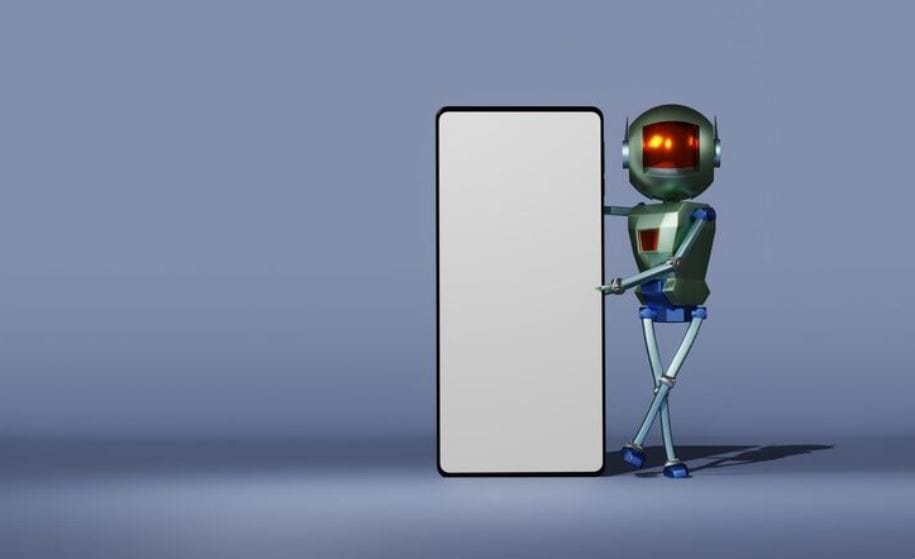
    Why Your Next Smartphone Might Actually Be a Humanoid Robot
    Why Your Next Smartphone Might Actually Be a Humanoid Robot

    It’s odd to sit with that. Superior engineering isn’t the main argument in favor of humanoid robots. It concerns whether people merely favor machines that resemble them in their homes and on factory floors. Wu refers to it as a trillion-dollar gamble based on consumer preference rather than capacity. To be honest, it’s difficult not to find that a little unsettling—we might choose the less effective robot just because it has a face.

    The numbers that are floating around are striking—perhaps too so. The market for humanoid robots is expected to reach $38 billion by 2035, with unit costs expected to drop from the current $150,000 to a level that small businesses can afford. Similar trends were seen in smartphones, which went from being $500 luxury goods to being carried by almost five billion people today. It’s currently a guess disguised as a projection as to whether humanoid robots compress that timeline in the same manner.

    The more difficult issues are mechanical rather than financial. Current AI allows a service robot to clear dishes and navigate a cluttered room with about 80% reliability, according to researchers at Friedrich-Alexander University in Germany. While this is useful in a care facility, it is unacceptable on an assembly line where near-perfect output is expected. Several humanoid robots completed the Beijing half-marathon last year, which sounds impressive until you consider that a robot’s legs failing after twelve miles is a maintenance catastrophe rather than a finish-line tale.

    Thus, the realistic picture lies in the middle of exaggeration and disbelief. It’s unlikely that your actual phone will be replaced in the upcoming year. However, it appears to be gradually evolving into a body that can also fold laundry or replenish a shelf because of the role it plays—the object in your hand that runs errands, complies with commands, and increasingly acts on your behalf. We learned to anticipate convenience on demand thanks to smartphones. The next, clumsier, and much more costly attempt to deliver it physically is through humanoid robots.

    Humanoid Robot
    Share. Facebook Twitter Pinterest LinkedIn Tumblr Email
    Taylor Lowery
    • Website

    Taylor Lowery is a senior editor at glofiish.com, a technology writer, and a true circuit enthusiast. She works in the tech sector, so she does more than just cover it. Taylor works for a smartphone company during the day, which gives her a firsthand look at how gadgets are designed, manufactured, promoted, and ultimately placed in people's hands.Her writing is unique because of this insider viewpoint. Taylor makes the technical connections that other writers overlook, whether she's dissecting the silicon architecture of a new flagship chipset, analyzing the implications of a significant Android update for actual users, or tracking the effects of a new AI model announcement across the mobile industry.Her editorial focus covers every aspect of the current tech stack, including smartphone software and hardware, artificial intelligence (from large language models and generative tools to on-device inference), and the broader innovation trends influencing the direction of the consumer technology sector. She is especially passionate about the nexus of AI and mobile computing, which she feels is still in its most exciting early stages.

    Related Posts

    Your Smartphone Knows You’re Depressed: The Alarming Science of Predictive Language

    June 22, 2026

    The AI Phone Era Could Change How We Communicate Forever

    June 22, 2026

    Memory Shortages Could Trigger the Biggest Smartphone Crash in a Decade

    June 22, 2026
    Leave A Reply Cancel Reply

    You must be logged in to post a comment.

    Lifestyle

    Your Smartphone Knows You’re Depressed: The Alarming Science of Predictive Language

    By Taylor LoweryJune 22, 20260

    Finding out that your phone has been monitoring you more closely than your closest friends…

    The AI Phone Era Could Change How We Communicate Forever

    June 22, 2026

    Why VCs Are Suddenly Pouring Billions Into De-Extinction Tech

    June 22, 2026

    Memory Shortages Could Trigger the Biggest Smartphone Crash in a Decade

    June 22, 2026

    The Quest for Quantum Supremacy: Who Actually Controls the Future of Computing?

    June 22, 2026

    The Rise of DIY Biohacking in Suburban Garages

    June 22, 2026

    Why Optical Computing Could Be the Successor to the Silicon Chip

    June 22, 2026

    Why Your Next Smartphone Might Actually Be a Humanoid Robot

    June 22, 2026

    Why AI Might Be the Most Powerful Technology Since Electricity

    June 22, 2026

    A Massive AI Protest Signals Growing Public Fear of Automation

    June 22, 2026
    Disclaimer

    Glofiish.com’s content, which includes market reporting, technology analysis, AI commentary, and device coverage, is solely meant for general informational and educational purposes. Nothing on this website is intended to be financial, investment, legal, or professional technology advice specific to your situation.

    We’re strongly advise all readers to seek independent professional financial advice from a qualified financial adviser before making any financial, investment, or purchasing decisions based only on information found on this website. Technology markets are unstable; product availability, cost, and performance attributes fluctuate quickly.

    Facebook X (Twitter) Instagram Pinterest
    • Home
    • Glofiish Devices
    • Technology
    • Tech Devices
    • News
    • About
    • Privacy Policy
    • Contact Us
    • Terms Of Service
    © 2026 ThemeSphere. Designed by ThemeSphere.

    Type above and press Enter to search. Press Esc to cancel.