
Close Menu
GlofiishGlofiish
    Facebook X (Twitter) Instagram
    Facebook X (Twitter) Instagram
    GlofiishGlofiish
    Subscribe
    • Home
    • Glofiish Devices
    • Technology
    • Tech Devices
    • News
    • About
    • Privacy Policy
    • Contact Us
    • Terms Of Service
    GlofiishGlofiish
    Home » The Rise of DIY Biohacking in Suburban Garages
    Lifestyle

    The Rise of DIY Biohacking in Suburban Garages

    Taylor LoweryBy Taylor LoweryJune 22, 2026No Comments3 Mins Read
    Facebook Twitter Pinterest LinkedIn Tumblr Email
    Share
    Facebook Twitter LinkedIn Pinterest Email

    On a Saturday afternoon, you’ll see the typical sights as you drive down most suburban streets: a child riding a bike, someone washing a car, and a garage door that is partially open and reveals a workbench. If you take a closer look at some of those workbenches, you’ll notice that the tools have changed. In addition to the paint cans and wrenches, there’s a thermocycler that was salvaged from a university dumpster, a centrifuge that was purchased used on eBay, and perhaps a mini-fridge filled with petri dishes rather than beer.

    This is the unglamorous reality of do-it-yourself biohacking, a movement that has been simmering in American garages for almost 20 years. Contrary to what headlines sometimes imply, it is not dramatic. There is no theatrical mad-scientist behavior. Patience, trial and error, and a lot of failed gels under a piece of black cloth taped over a window to block light are the main strategies.

    Access is what has changed. Once costing a university department tens of thousands of dollars, lab equipment can now be found for a few hundred dollars. CRISPR gene-editing kits are available online for less than $200. Instead of purchasing an open-source PCR machine, a hobbyist with a soldering iron and a little perseverance can construct one. Once determined by postgraduate degrees and institutional funding, the barrier to entry is now primarily determined by curiosity and a willingness to make repeated mistakes.
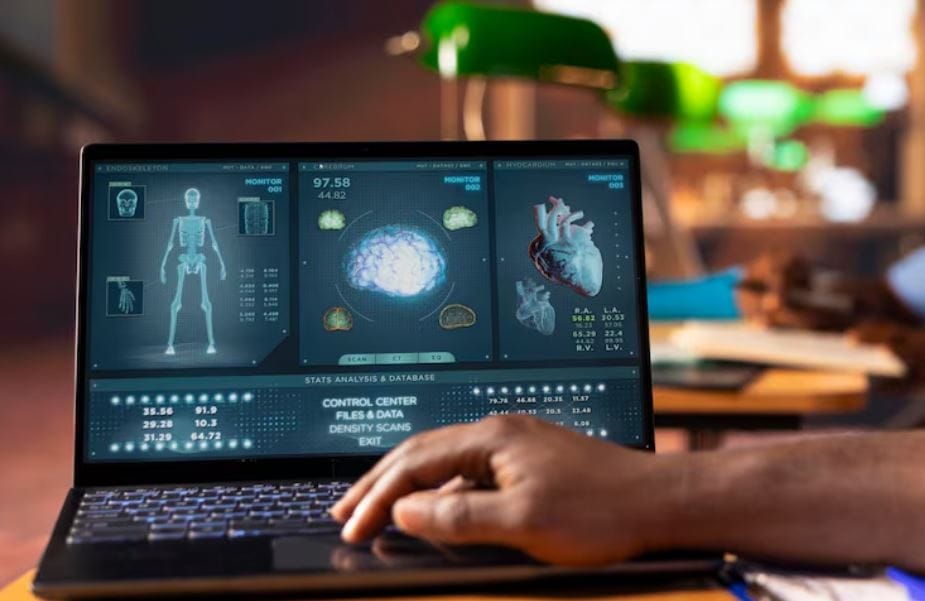
    The Rise of DIY Biohacking in Suburban Garages
    The Rise of DIY Biohacking in Suburban Garages

    It’s important to remember that this is nothing new. Years ago, community labs like BioCurious in California and Genspace in Brooklyn helped legitimize the concept by providing equipment and shared space for amateur scientists rather than requiring everyone to work in their own kitchens. However, rather than taking the place of those community spaces, the garage version—solitary, improvised, and frequently unregulated—has expanded alongside them. It has an almost antiquated feel to it, evoking the same spirit that transformed garages into the birthplaces of personal computers decades ago.

    This work is being done by a strange mix of people. Some are qualified scientists who chose to continue working despite not having a university affiliation because they were unable to secure academic positions. Others are artists, engineers, or just restless tinkerers who became interested in the true appearance of a strand of DNA in the correct light. They all agree that practicing science shouldn’t require an institutional badge; in theory, this idea feels democratic, but in reality, it can be challenging.

    It does become intricate. The majority of garage experiments are low-risk, almost amusing tasks like checking food for incorrectly labeled fish DNA or experimenting with fluorescent proteins in bacteria. However, in careless hands, the same tools that enable those projects could be used for something more dangerous. Although enforcement is still uneven and primarily reactive rather than proactive, regulators have taken notice. The best way to oversee science conducted behind closed garage doors as opposed to within an organization with an ethics board is still up for debate.

    The true inventiveness on show is more difficult to ignore. People are creating actual tools, producing actual data, and sometimes making unexpected discoveries. It’s unclear if this will remain a side project or eventually lead to something more significant, like diagnostics, farming, or even medicine. However, it is difficult not to find it at least somewhat fascinating to watch a movement based on curiosity and inexpensive used equipment gradually professionalize itself, garage by garage.

    DIY Biohacking
    Share. Facebook Twitter Pinterest LinkedIn Tumblr Email
    Taylor Lowery
    • Website

    Taylor Lowery is a senior editor at glofiish.com, a technology writer, and a true circuit enthusiast. She works in the tech sector, so she does more than just cover it. Taylor works for a smartphone company during the day, which gives her a firsthand look at how gadgets are designed, manufactured, promoted, and ultimately placed in people's hands.Her writing is unique because of this insider viewpoint. Taylor makes the technical connections that other writers overlook, whether she's dissecting the silicon architecture of a new flagship chipset, analyzing the implications of a significant Android update for actual users, or tracking the effects of a new AI model announcement across the mobile industry.Her editorial focus covers every aspect of the current tech stack, including smartphone software and hardware, artificial intelligence (from large language models and generative tools to on-device inference), and the broader innovation trends influencing the direction of the consumer technology sector. She is especially passionate about the nexus of AI and mobile computing, which she feels is still in its most exciting early stages.

    Related Posts

    Your Smartphone Knows You’re Depressed: The Alarming Science of Predictive Language

    June 22, 2026

    Why VCs Are Suddenly Pouring Billions Into De-Extinction Tech

    June 22, 2026

    The Quest for Quantum Supremacy: Who Actually Controls the Future of Computing?

    June 22, 2026
    Leave A Reply Cancel Reply

    You must be logged in to post a comment.

    Lifestyle

    Your Smartphone Knows You’re Depressed: The Alarming Science of Predictive Language

    By Taylor LoweryJune 22, 20260

    Finding out that your phone has been monitoring you more closely than your closest friends…

    The AI Phone Era Could Change How We Communicate Forever

    June 22, 2026

    Why VCs Are Suddenly Pouring Billions Into De-Extinction Tech

    June 22, 2026

    Memory Shortages Could Trigger the Biggest Smartphone Crash in a Decade

    June 22, 2026

    The Quest for Quantum Supremacy: Who Actually Controls the Future of Computing?

    June 22, 2026

    The Rise of DIY Biohacking in Suburban Garages

    June 22, 2026

    Why Optical Computing Could Be the Successor to the Silicon Chip

    June 22, 2026

    Why Your Next Smartphone Might Actually Be a Humanoid Robot

    June 22, 2026

    Why AI Might Be the Most Powerful Technology Since Electricity

    June 22, 2026

    A Massive AI Protest Signals Growing Public Fear of Automation

    June 22, 2026
    Disclaimer

    Glofiish.com’s content, which includes market reporting, technology analysis, AI commentary, and device coverage, is solely meant for general informational and educational purposes. Nothing on this website is intended to be financial, investment, legal, or professional technology advice specific to your situation.

    We’re strongly advise all readers to seek independent professional financial advice from a qualified financial adviser before making any financial, investment, or purchasing decisions based only on information found on this website. Technology markets are unstable; product availability, cost, and performance attributes fluctuate quickly.

    Facebook X (Twitter) Instagram Pinterest
    • Home
    • Glofiish Devices
    • Technology
    • Tech Devices
    • News
    • About
    • Privacy Policy
    • Contact Us
    • Terms Of Service
    © 2026 ThemeSphere. Designed by ThemeSphere.

    Type above and press Enter to search. Press Esc to cancel.