

“AI is the new electricity” is well on its way to becoming one of those comparisons that are used so frequently that they become meaningless. However, if you spend enough time observing the real-world applications of this technology, such as how a steel plant schedules its shifts, hospitals, farms, and customer service lines, the comparison begins to feel less like marketing and more like an accurate depiction.
Since electricity was a single product, it did not transform the world. Because it served as a foundation for all other industries to build upon, it revolutionized the world. Instead of simply plugging in lights, factories redesigned themselves around assembly lines and motors. When people compare AI to smartphones or even the internet, they overlook this point. They were applications. Infrastructure included electricity. AI increasingly resembles infrastructure as well.
It’s important to observe how AI is appearing in contexts unrelated to chatbots. It is used by logistics companies to reroute trucks. It is used by hospitals to read scans more quickly than a fatigued radiologist at two in the morning. It is being used by farmers in places like Punjab and Iowa to determine when a field needs water almost instantly. Ten years ago, none of that was true. It’s difficult to ignore the fact that the spread resembles a utility making its way into every corner of the economy rather than a product cycle.
Beneath all of this, though, is an irony. Currently, one of the largest consumers of electricity is the technology that is being compared to it. Grid operators in Virginia, Dublin, and Singapore are shocked by the scale at which data centers with AI workloads are drawing power. According to some analysts, AI factories may eventually operate more like a flexible asset on the grid, shifting workloads geographically at the speed of light and slowing them down during periods of high demand. It is still genuinely unclear if that promise will hold up at scale. It’s one of those concepts that sound sophisticated in a research paper but are more difficult to implement in real life.
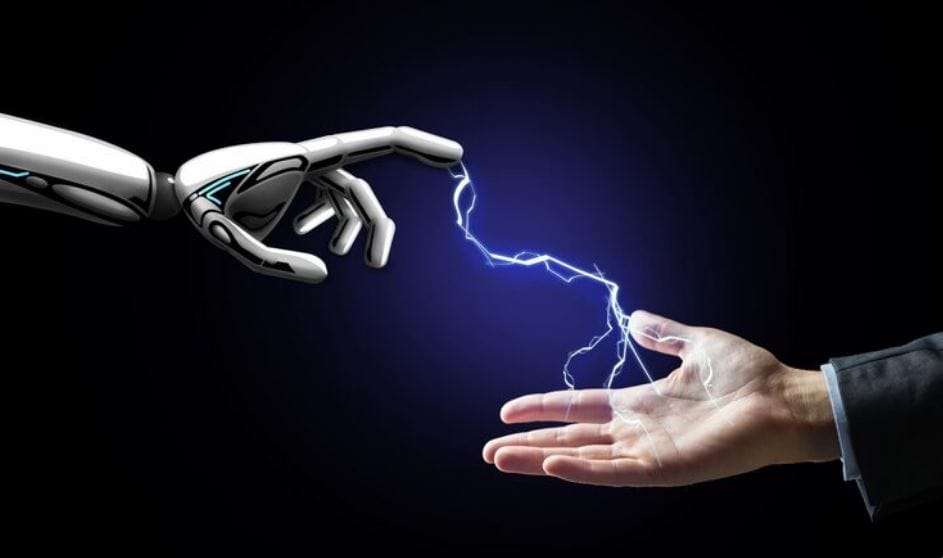
AI differs from previous general-purpose technologies not only in its scope but also in the rate at which that scope is growing. The transition of electricity from Edison’s laboratory to rural farmhouses took more than a century. The curve of AI appears to be compressed into a few years, which creates its own subtle concerns. Due in part to the software layer’s ability to update overnight, which physical wiring could never do, economists researching its diffusion have observed that productivity gains may manifest more quickly than they did for electricity or computing.
Additionally, it’s worthwhile to sit with a less cozy echo of the history of electricity. Not only did electrification power factories, but it also changed the geopolitical and economic balance of power, giving preference to countries that could construct the grid first. A similar situation appears to be taking place right now, with nations publicly concerned about falling behind—not because they lack ideas, but rather because they lack the energy capacity to power the machines that do. The president of France has publicly stated as much, cautioning that without significant investment, Europe runs the risk of becoming dependent on technology rather than a competitor.
All of this does not imply that AI will be able to match the comparison. Many technologies, such as 3D printing, the metaverse, and blockchain in its earlier years, were dubbed the “next electricity” and then quietly vanished. The extent of adoption and the amount of physical infrastructure being developed to support it are what make this place feel different. It is uncommon for software to change behavior and hardware to change the environment. It was electricity. For better or worse, it appears that AI is also developing it.
