

There’s a quiet change going on in the design studios and labs of the biggest smartphone companies in the world. A CEO taking the stage in front of a cheering crowd or a big product launch are not part of it. There’s more to it than that. Engineers are taking a small step back, while AI-powered systems move forward to fill the gap. More seriously than ever, people are wondering if artificial intelligence will soon be able to design the devices that billions of people carry around with them every day.
You could be right that most people think this sounds like science fiction. Smartphones feel personal because they were made by people who knew what people wanted and were very careful about camera angles, button placement, and how glass feels in the hand. But the tools that are used to make those choices are changing more quickly than what people hear about them. AI is already being used to make chips work better, test camera performance in fake lighting, and guess which battery configurations will last through daily use. That’s not a small note. In reality, that’s a big part of how modern phones are designed.
The level of intelligence being used is what makes this moment feel different. Systems that have been trained on years of data on user behavior, supply chain patterns, and material science research can now find design insights that would take months for human teams to find. AI was used by a team at a major chipmaker to cut in half the time needed to lay out processor architecture. This wasn’t done by firing engineers, but by letting the system handle optimization passes that would have taken weeks to do by hand. In that case, the engineers are more like editors than writers. Different people have different ideas about whether that’s progress or something more complicated.
The really interesting parts are the software parts. Most reliable sources say that AI will not be a feature tucked away in a menu on future phones, but will be the logic that controls how the device acts. Before a meeting you didn’t tell your phone about, it turned itself off. Changing the brightness of the screen based on both the amount of light around you and the time you usually start to relax. Telling you to write a response that sounds like you and not like a template. These ideas aren’t too far away. Some of them are being tested in secret right now.
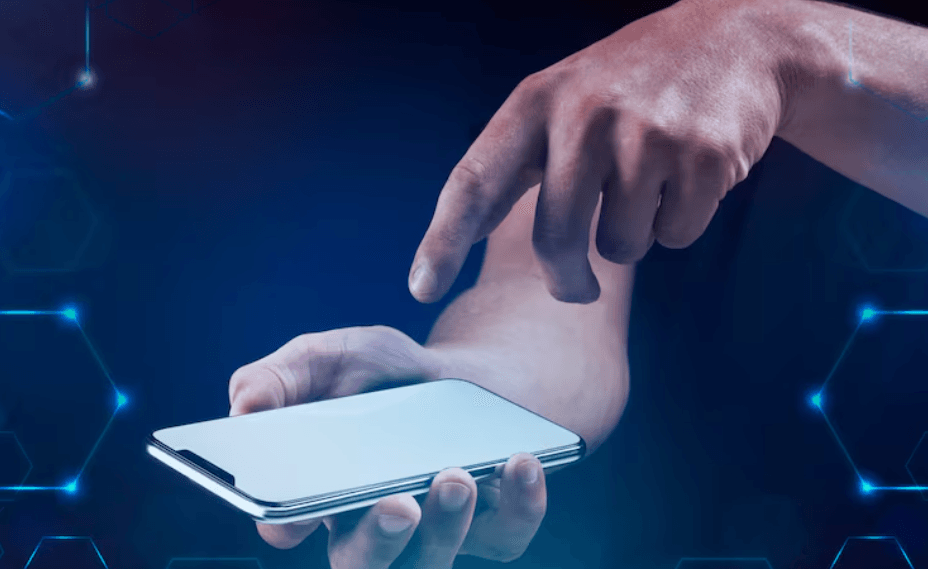
The path for hardware will be similar, but it will move more slowly. It looks like the race for raw processing power is over. In its place is a more measured competition that focuses on efficiency, durability, and materials that don’t break in eighteen months. Several manufacturers are already pointing in these directions: ceramic glass, recycled metals, and modular parts that are easier to fix. Sustainability is no longer just something to talk about in an annual report; it’s becoming a real design priority.
The history of camera development is similar. The quest for more megapixels is pretty much over. That’s not what AI adds to photography—it adds better judgment. That can read light like a professional photographer, fix motion blur before the shutter closes, and tell you when the composition is off and suggest a small change. It’s probably a good thing that more people can now take pictures. It’s a good question whether it kills the creative urges of people who loved figuring things out.
When it comes to daily use, most people will notice the change most in battery life and security. New charging chemistry and smarter power management are making it possible for mid-range devices to have batteries that last two days. This would really change how people go about their days. Security is also becoming more and more invisible, but in the best way possible. Instead of PIN codes or fingerprints being used every time a screen wakes up, continuous authentication is now based on behavioral patterns.
People really feel like smartphones are becoming more important in their daily lives, not less. Not because the business wants to be new, but because the technology has grown up enough to keep the promises that have been made for years. From the outside, the next generation of these gadgets might not look very different. But the ideas that go into them and, more and more, the computers that do the thinking will be different from anything that has come before.
