
Close Menu
GlofiishGlofiish
    Facebook X (Twitter) Instagram
    Facebook X (Twitter) Instagram
    GlofiishGlofiish
    Subscribe
    • Home
    • Glofiish Devices
    • Technology
    • Tech Devices
    • News
    • About
    • Privacy Policy
    • Contact Us
    • Terms Of Service
    GlofiishGlofiish
    Home » The Highs, Lows, and Ethical Nightmares of AI in the Tattoo Industry
    Lifestyle

    The Highs, Lows, and Ethical Nightmares of AI in the Tattoo Industry

    Taylor LoweryBy Taylor LoweryJuly 28, 2026No Comments4 Mins Read
    Facebook Twitter Pinterest LinkedIn Tumblr Email
    Share
    Facebook Twitter LinkedIn Pinterest Email

    There are still buzzing machines, a faint antiseptic smell, flash sheets on the walls, and someone clenching their teeth in the chair when you walk into a tattoo studio in any major city today. But something has changed behind the scenes. AI tools are being used by more and more artists and clients to come up with design ideas before the needle even touches the skin. People who get tattoos are now able to talk about it, even though it’s only a small change.

    At first glance, it’s easy to see why AI-made tattoo designs are appealing. These tools can quickly come up with dozens of different versions of an idea. A client who has trouble putting their thoughts into words can type a few words into a prompt and get a visual response right away. For example, they might want something “geometric but also organic, dark but not heavy.” It can cut down on the back-and-forth brainstorming that takes up artists’ free time. We shouldn’t just brush this off because it’s not helpful in real life.

    But this is where things get tricky. People who get tattoos have always had a special relationship with who owns art. Informally, people share designs, copy flash art, and borrow styles. This is nothing new. AI does, however, bring about a new type of problem. These models for making images were trained on huge collections of art, some of which was taken from the internet without the artists’ permission. The tribal sleeve or neo-traditional rose that an AI makes is based on the work of thousands of real tattoo artists who never agreed to add to that training pool. Many of those artists might not even know it happened.

    In terms of moral weight, that is different from normal artistic influence. Tattoo artists have always learned their craft from one generation to the next by studying published work, getting ideas from conventions, and learning from their mentors. It feels like something else when an algorithm cleans up portfolios on a large scale. It’s hard not to notice that artists whose work was freely shared online and who built communities around their art were more likely to have it taken up. In a strange way, their kindness was part of what made them vulnerable.
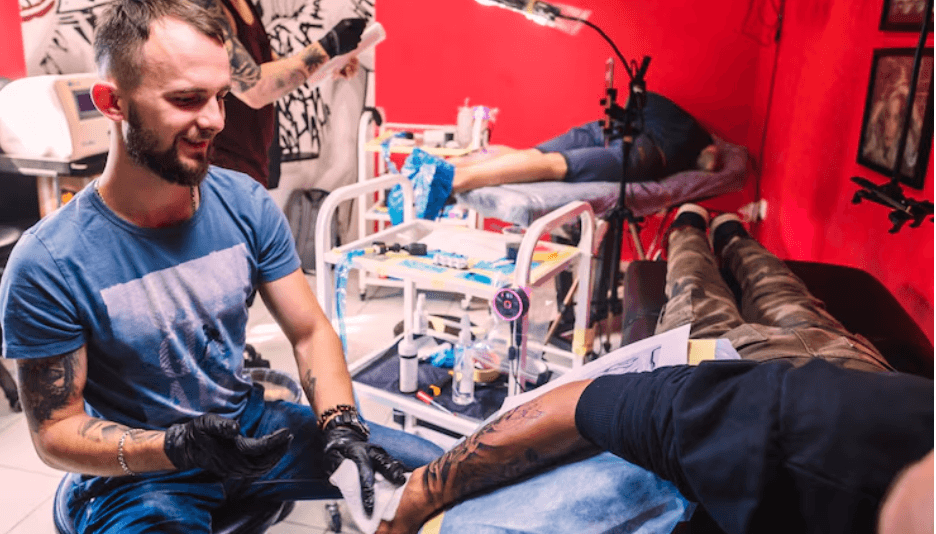
    Ethical Nightmares of AI in the Tattoo Industry
    Ethical Nightmares of AI in the Tattoo Industry

    It’s important to think about the fact that AI can’t really copy the act of getting a tattoo. Skin isn’t a flat surface. As a result of its location, age, scar tissue, and level of hydration, it stretches and breathes in different ways. A skilled artist reads all of that in real time and changes the needle’s depth and pressure in ways that are more like guesswork than math. That is not in any software. You can’t have the same relationship with a client as you do with an artist—the trust that is built through hours of talking and sitting in that chair together. People don’t pick a tattoo artist like they pick a font. There is a very personal issue at stake.

    The tattoo business isn’t going away. It’s worth about $2.4 billion and is expected to grow a lot until the early 2030s. Actually, younger people are making more things, not less. It’s not likely that AI will wipe out that industry the way automation has done to manufacturing or data entry. Because tattooing is physical and involves people, it naturally creates a kind of resistance that most desk jobs don’t have.

    Still, it seems important to keep an eye on how studios use these tools and whether the artists whose work trained the algorithms will ever get credit for it. These highs are real. The lows are the same. The moral questions are still mostly unanswered; they’re just sitting there in the studio corner like a design that hasn’t been inked yet.

    Nightmares Tattoo
    Share. Facebook Twitter Pinterest LinkedIn Tumblr Email
    Taylor Lowery
    • Website

    Taylor Lowery is a senior editor at glofiish.com, a technology writer, and a true circuit enthusiast. She works in the tech sector, so she does more than just cover it. Taylor works for a smartphone company during the day, which gives her a firsthand look at how gadgets are designed, manufactured, promoted, and ultimately placed in people's hands.Her writing is unique because of this insider viewpoint. Taylor makes the technical connections that other writers overlook, whether she's dissecting the silicon architecture of a new flagship chipset, analyzing the implications of a significant Android update for actual users, or tracking the effects of a new AI model announcement across the mobile industry.Her editorial focus covers every aspect of the current tech stack, including smartphone software and hardware, artificial intelligence (from large language models and generative tools to on-device inference), and the broader innovation trends influencing the direction of the consumer technology sector. She is especially passionate about the nexus of AI and mobile computing, which she feels is still in its most exciting early stages.

    Related Posts

    The Lab-Grown Meat Industry’s Secret War with Traditional Farming

    June 30, 2026

    Universities Are Rethinking Education for the AI Age

    June 30, 2026

    Your Smartphone Knows You’re Depressed: The Alarming Science of Predictive Language

    June 22, 2026
    Leave A Reply Cancel Reply

    You must be logged in to post a comment.

    Tech Devices

    The Renaissance of Ham Radio in the Face of Grid-Down Scenarios

    By Taylor LoweryJuly 29, 20260

    After a major disaster, there is a certain kind of silence. Not the kind of…

    How Target is Using AI-Driven Personalization to Read Your Mind at the Register

    July 29, 2026

    The Mini-LED Revolution: Why Your Next Monitor Will Make OLED Look Obsolete

    July 29, 2026

    A $40 Smartphone Project Could Connect Millions Across Africa

    July 29, 2026

    A Startup Claims It Built the World’s First Ethical Smartphone

    July 29, 2026

    Why AI Is the Most Important Technology of the 21st Century

    July 29, 2026

    AI Is Becoming the New Frontier of Cybersecurity

    July 29, 2026

    Why Local Businesses Are Being Crushed by the AI Logo Backlash

    July 29, 2026

    Why Real Estate Tycoons Are Pivoting to Building AI Data Centers in Florida

    July 29, 2026

    The Illusion of Choice: How Dark Patterns Trick You Into Clicking

    July 29, 2026
    Disclaimer

    Glofiish.com’s content, which includes market reporting, technology analysis, AI commentary, and device coverage, is solely meant for general informational and educational purposes. Nothing on this website is intended to be financial, investment, legal, or professional technology advice specific to your situation.

    We’re strongly advise all readers to seek independent professional financial advice from a qualified financial adviser before making any financial, investment, or purchasing decisions based only on information found on this website. Technology markets are unstable; product availability, cost, and performance attributes fluctuate quickly.

    Facebook X (Twitter) Instagram Pinterest
    • Home
    • Glofiish Devices
    • Technology
    • Tech Devices
    • News
    • About
    • Privacy Policy
    • Contact Us
    • Terms Of Service
    © 2026 ThemeSphere. Designed by ThemeSphere.

    Type above and press Enter to search. Press Esc to cancel.