
Close Menu
GlofiishGlofiish
    Facebook X (Twitter) Instagram
    Facebook X (Twitter) Instagram
    GlofiishGlofiish
    Subscribe
    • Home
    • Glofiish Devices
    • Technology
    • Tech Devices
    • News
    • About
    • Privacy Policy
    • Contact Us
    • Terms Of Service
    GlofiishGlofiish
    Home » How ‘Smart Dust’ Sensors Could Monitor Everything from Crops to Heartbeats
    Tech Devices

    How ‘Smart Dust’ Sensors Could Monitor Everything from Crops to Heartbeats

    Taylor LoweryBy Taylor LoweryJuly 28, 2026No Comments4 Mins Read
    Facebook Twitter Pinterest LinkedIn Tumblr Email
    Share
    Facebook Twitter LinkedIn Pinterest Email

    What if there was a bandage that did more than just cover a wound? Keeps track of swelling. At 3 a.m., they notice something strange and quietly write it down. There is no need for a charger, battery, or screen. A tiny piece of fabric with sensors that are so small you can hardly see them. They get their power from the heat of your skin. It sounds like an idea from a meeting to pitch science fiction stories. For years, researchers at UC Berkeley have been working on this kind of technology. They’ve even given it a name that makes it sound even stranger: smart dust.

    The idea behind smart dust is that smart things don’t need to be in one place. It can be spread out among thousands of tiny sensors that can detect, measure, and talk to each other without a single central processor making decisions. The idea behind this isn’t completely new. The internet has already shown what can happen when a lot of nodes are linked together. Now things are changing because the nodes are getting smaller, cheaper, and able to sense the real world instead of just sending text messages.

    The engineers at the Masdar Institute have been working on this for a while now. One issue they keep having is bandwidth—not in a theoretical sense, but in the very real sense that today’s wireless standards can’t handle the amount of data that a truly sensor-rich environment would create. Millimeter-wave and terahertz frequency bands are being looked at as a possible solution. These bands are in a strange electromagnetic area between electrical and optical transmission. The physics are hard to understand. Oxygen and water soak up these frequencies, which makes it hard to even cross a room. To get around this problem, new transceiver designs are being made, but it’s still not clear how quickly the field will go from lab tests to real-world use.

    The uses in agriculture might not be as exciting, but they might be more important right away. Farmers currently guess about things like root temperature, nitrogen levels, early fungal activity, and soil moisture by using their own experience, observing, and testing the soil every so often. That information could be shown all the time, without anyone having to walk the rows, thanks to sensors that are built into the fields. That level of visibility could really help large farms that have trouble getting enough water or predicting when the growing seasons will be. It’s not a revolution, but there has been a big change in how decisions are made.
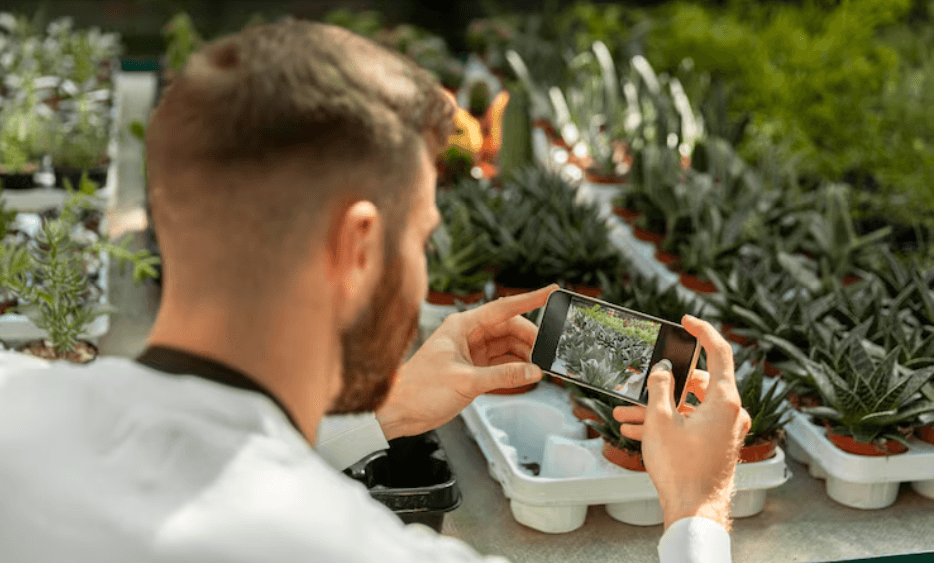
    Monitor Everything from Crops to Heartbeats
    Monitor Everything from Crops to Heartbeats

    The part of smart dust that checks on your health is where things get interesting and a little scary. Wearable sensors or sensors built into bandages could keep an eye on things like heart rate, temperature, movement, and hydration. These are all quiet signals that the body sends all the time that medicine can only pick up in clinical snapshots right now. The part about collecting energy is the most interesting part here. The power for these sensors would come from vibration, heat, or movement, which is similar to how a mechanical watch works when you move your wrist. There is no charging cable or battery swap. Just low-level observation going on all the time.

    Take some time to think about what that really means. Some researchers think that each person has more than a thousand of these sensors. That’s not a tech thing. There’s an environment there. The house that changes based on your mood, the shirt that knows how stressed you are, and the field that reports its own health are not separate products. They are all parts of a distributed sensing layer that would cover the real world like a second skin. It probably depends on who is asking and who is listening on whether that feels like privacy or being watched.

    It seems like the toughest problems here aren’t just technical. Because the engineering is so hard, but problems in engineering are usually solved with enough money and time. The tougher questions have to do with who owns the data, what consent means, and what it means to live in a world where your body, home, and food are all being read all the time. And those talks are just getting started. Technology is moving faster than the rules that are being made to control it.

    Crops Heartbeats
    Share. Facebook Twitter Pinterest LinkedIn Tumblr Email
    Taylor Lowery
    • Website

    Taylor Lowery is a senior editor at glofiish.com, a technology writer, and a true circuit enthusiast. She works in the tech sector, so she does more than just cover it. Taylor works for a smartphone company during the day, which gives her a firsthand look at how gadgets are designed, manufactured, promoted, and ultimately placed in people's hands.Her writing is unique because of this insider viewpoint. Taylor makes the technical connections that other writers overlook, whether she's dissecting the silicon architecture of a new flagship chipset, analyzing the implications of a significant Android update for actual users, or tracking the effects of a new AI model announcement across the mobile industry.Her editorial focus covers every aspect of the current tech stack, including smartphone software and hardware, artificial intelligence (from large language models and generative tools to on-device inference), and the broader innovation trends influencing the direction of the consumer technology sector. She is especially passionate about the nexus of AI and mobile computing, which she feels is still in its most exciting early stages.

    Related Posts

    Inside Wall Street’s $40 Billion Bet on Autonomous Deep-Sea Mining Technologies

    August 25, 2026

    Why Australian Miners Are Using Autonomous AI Agents to Locate Underground Mineral Deposits

    August 25, 2026

    The Windows Mobile Resurgence , Why Gen Z Programmers in Brooklyn Reject iOS for Pocket PC OS

    August 25, 2026
    Leave A Reply Cancel Reply

    You must be logged in to post a comment.

    Technology

    The Hydrogen Highway Myth , Inside California’s $10 Billion Clean Energy Gamble

    By Taylor LoweryAugust 26, 20260

    Arnold Schwarzenegger declared in 2004 that California will construct a Hydrogen Highway, a network of…

    Why the UK Government Created an Emergency Taskforce to Regulate Agentic Superintelligence

    August 25, 2026

    Inside the Cyberwar for Control of North America’s Interconnected Regional Energy Grids

    August 25, 2026

    Why Wall Street Analysts Are Downgrading Legacy Telecoms in Favor of Orbital Mesh Networks

    August 25, 2026

    Inside Wall Street’s $40 Billion Bet on Autonomous Deep-Sea Mining Technologies

    August 25, 2026

    Why Australian Miners Are Using Autonomous AI Agents to Locate Underground Mineral Deposits

    August 25, 2026

    The Hallucination Safeguard , How New Verification Layer Software Stops AI Mistakes

    August 25, 2026

    The Windows Mobile Resurgence , Why Gen Z Programmers in Brooklyn Reject iOS for Pocket PC OS

    August 25, 2026

    Inside the Melbourne Facility Training Physical AI Robots to Assist Elderly Citizens

    August 25, 2026

    Silicon Valley’s Quiet Obsession with Pre-Capacitive Touchscreens , The Glofiish Legacy

    August 25, 2026
    Disclaimer

    Glofiish.com’s content, which includes market reporting, technology analysis, AI commentary, and device coverage, is solely meant for general informational and educational purposes. Nothing on this website is intended to be financial, investment, legal, or professional technology advice specific to your situation.

    We’re strongly advise all readers to seek independent professional financial advice from a qualified financial adviser before making any financial, investment, or purchasing decisions based only on information found on this website. Technology markets are unstable; product availability, cost, and performance attributes fluctuate quickly.

    Facebook X (Twitter) Instagram Pinterest
    • Home
    • Glofiish Devices
    • Technology
    • Tech Devices
    • News
    • About
    • Privacy Policy
    • Contact Us
    • Terms Of Service
    © 2026 ThemeSphere. Designed by ThemeSphere.

    Type above and press Enter to search. Press Esc to cancel.