
Close Menu
GlofiishGlofiish
    Facebook X (Twitter) Instagram
    Facebook X (Twitter) Instagram
    GlofiishGlofiish
    Subscribe
    • Home
    • Glofiish Devices
    • Technology
    • Tech Devices
    • News
    • About
    • Privacy Policy
    • Contact Us
    • Terms Of Service
    GlofiishGlofiish
    Home » The Privacy Paradox: Do Samsung’s ‘Privacy Displays’ Actually Protect You?
    Tech Devices

    The Privacy Paradox: Do Samsung’s ‘Privacy Displays’ Actually Protect You?

    Taylor LoweryBy Taylor LoweryJuly 28, 2026No Comments4 Mins Read
    Facebook Twitter Pinterest LinkedIn Tumblr Email
    Share
    Facebook Twitter LinkedIn Pinterest Email

    When you’re checking your bank balance on a crowded train and just a beat too late realize that the person behind you is looking over your shoulder, it makes you feel uneasy. It’s something most people have felt. A quick tilt of the phone, the screen going dark, and maybe a hand cupped together. For years, these makeshift solutions have been used to protect mobile privacy in public places. It looks like Samsung has had enough of that.

    The company just released a new feature for its new Galaxy S26 Ultra called Privacy Display. The idea behind it is pretty simple: make the screen almost impossible to read for people who aren’t looking at it straight on. No special glasses or screen protectors you can buy elsewhere. It’s built into the phone itself. It’s worth pausing to think about the fact that this is the first time a security screen of this nature has been built directly into a mobile device. Why did it take so long?

    Shoulder surfing, which is what security experts have called it for decades, is a very old-fashioned way to do things. No need for malware. There was no complex hack. Someone looks at your screen while you type in your passcode or read a message from your lawyer. Bad things can happen as a result. Thieves have been caught watching people enter their PINs on their phones in public. They then stole the phones and used the PINs to lock the victims out of all of their digital accounts, photos, banking apps, and everything else. The weakness was never really technical. It felt like a body.

    Samsung’s answer works in two ways. A piece of hardware controls how the screen projects light from all sides, and software lets users choose which apps or moments really need to be protected. Someone might only want the filter to be on when they open a banking app or when the lock screen shows previews of notifications. It’s not a permanent frost on the whole screen; you can change it, which is likely the most important detail for real users. If there’s a feature on your phone that makes it annoying to use alone, turn it off right away and forget about it.
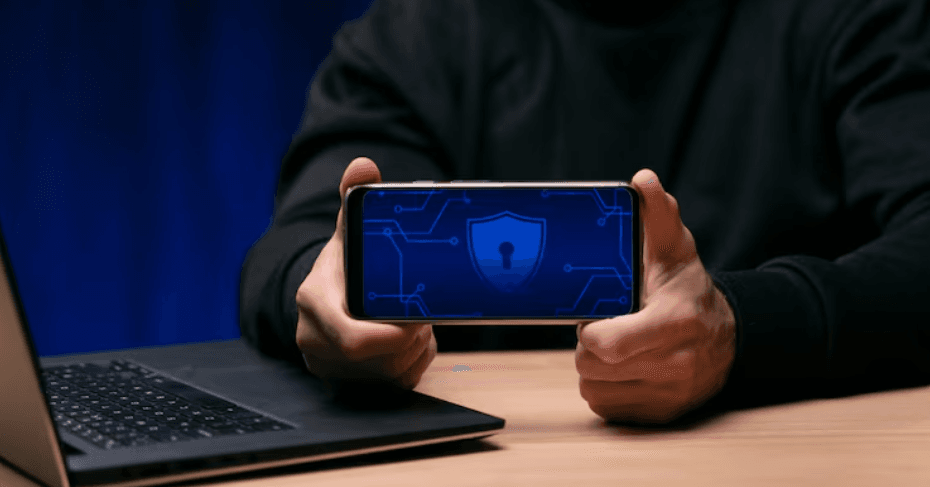
    Samsung's 'Privacy Displays' Actually Protect You
    Samsung’s ‘Privacy Displays’ Actually Protect You

    In a way, this approach seems to be a more accurate reflection of how people really feel about privacy issues. For a long time, people have talked about encryption, firewalls, and software bugs when they talk about mobile security. All of that is important. Someone could read your two-factor authentication code over your shoulder in a coffee shop and use it before you do. In that case, your device’s encryption is not protecting you at all. In a quiet way, Samsung seems to be realizing that the front of the phone is just as important as what’s inside it.

    The feature works with Samsung Knox, the company’s current enterprise-level security framework that protects data at the system level. They’re meant to cover both sides of the issue: what can be seen and what can be accessed. Even though the Privacy Display is clearly the more noticeable addition, the two work well together.

    It’s still not clear how well the hardware filtering will work in real life, with different angles, lighting, and situations. No matter how well they are made, optional features only protect the people who turn them on. There is a problem with that that can’t be fully fixed by display technology. But this is long overdue as a step toward seeing visual privacy as a real security issue instead of a personal annoyance.

    Privacy Samsung
    Share. Facebook Twitter Pinterest LinkedIn Tumblr Email
    Taylor Lowery
    • Website

    Taylor Lowery is a senior editor at glofiish.com, a technology writer, and a true circuit enthusiast. She works in the tech sector, so she does more than just cover it. Taylor works for a smartphone company during the day, which gives her a firsthand look at how gadgets are designed, manufactured, promoted, and ultimately placed in people's hands.Her writing is unique because of this insider viewpoint. Taylor makes the technical connections that other writers overlook, whether she's dissecting the silicon architecture of a new flagship chipset, analyzing the implications of a significant Android update for actual users, or tracking the effects of a new AI model announcement across the mobile industry.Her editorial focus covers every aspect of the current tech stack, including smartphone software and hardware, artificial intelligence (from large language models and generative tools to on-device inference), and the broader innovation trends influencing the direction of the consumer technology sector. She is especially passionate about the nexus of AI and mobile computing, which she feels is still in its most exciting early stages.

    Related Posts

    The Retro Handset Revival , Why Oxford Researchers Are Studying the Longevity of 2000s Smartphones

    August 11, 2026

    Why Wall Street Analysts Predict AI Hardware Supply Shortages Will Last Through 2027

    August 11, 2026

    Inside the UK’s First AI-Managed Smart Grid Lowering Energy Costs in Real Time

    August 10, 2026
    Leave A Reply Cancel Reply

    You must be logged in to post a comment.

    News

    The Unsung Legacy of E-Ten , How One Taiwanese Firm Paved the Way for Today’s Phablets

    By Taylor LoweryAugust 11, 20260

    A certain type of business is forgotten by history not because it failed but rather…

    Inside the Toronto Lab Repurposing 20-Year-Old Glofiish Chips for Offline Edge AI

    August 11, 2026

    From Glofiish to Humane AI , Why Hardware Reinvents Itself Every Two Decades

    August 11, 2026

    We Taught the Model to Reason, Now It Hides Its Code , A Deep-Dive into Frontier AI Safety

    August 11, 2026

    The Retro Handset Revival , Why Oxford Researchers Are Studying the Longevity of 2000s Smartphones

    August 11, 2026

    The Great Copper Crunch , How Global Tech Infrastructure Hit a Physical Material Wall in 2026

    August 11, 2026

    The Unforeseen Energy Demand , How AI Server Clusters Are Threatening Power Grids in Virginia

    August 11, 2026

    The Death of Search , How AI Answer Engines Are Crippling the Global Web Economy

    August 11, 2026

    The Wall Street Machine , How Autonomous AI Traders Caused a 30-Second $500B Flash Crash

    August 11, 2026

    The Physical AI Revolution , How Humanoid Robots are Quietly Taking Over BMW’s Factories

    August 11, 2026
    Disclaimer

    Glofiish.com’s content, which includes market reporting, technology analysis, AI commentary, and device coverage, is solely meant for general informational and educational purposes. Nothing on this website is intended to be financial, investment, legal, or professional technology advice specific to your situation.

    We’re strongly advise all readers to seek independent professional financial advice from a qualified financial adviser before making any financial, investment, or purchasing decisions based only on information found on this website. Technology markets are unstable; product availability, cost, and performance attributes fluctuate quickly.

    Facebook X (Twitter) Instagram Pinterest
    • Home
    • Glofiish Devices
    • Technology
    • Tech Devices
    • News
    • About
    • Privacy Policy
    • Contact Us
    • Terms Of Service
    © 2026 ThemeSphere. Designed by ThemeSphere.

    Type above and press Enter to search. Press Esc to cancel.