

You were aware of the Glofiish in the spring of 2007 if you were the type of person who kept a close eye on mobile technology. There was a particular kind of person who visited forums called PocketPCFAQ and MobileRead and kept tallying megapixel counts and GPS chipset models. For a brief period, E-TEN’s X500 held a dominant position in the market. Unlike other devices in that class, it had integrated GPS using the SiRF StarIII chipset. Wi-Fi was available. Pocket Word, Pocket Excel, and an Outlook version that synced with a corporate Exchange server with a dependability that seemed truly helpful rather than aspirational were all part of Windows Mobile 6 Professional. It was heavier than it appeared to be. At the bottom, the stylus resided in a silo. That was not seen as an issue.
In 2007, the Windows Mobile ecosystem functioned according to a logic that made perfect sense within its own presumptions. The main audience consisted of power users, such as field salespeople, road warriors, and consultants that required their email on a device that could navigate and open attachments.
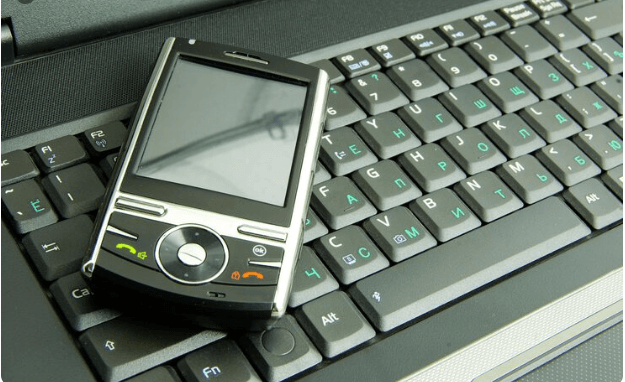
For precise input on the resistive touchscreen, a pen was necessary, and it worked well. For several tasks, like as carefully touching a spreadsheet cell, signing a PDF, and navigating menus that required more accuracy than a fingertip could consistently provide, it was really better than fine. Productivity was prioritized, followed by size and elegance. It felt like a significant accomplishment to run a condensed version of Microsoft Office on a device that could fit in a jacket pocket, and it was.
There were other businesses operating in this area beside E-TEN. The bigger participant was HTC, a Taiwanese company that produced smartphones under its own brand and as an OEM for companies ranging from T-Mobile to O2. They engaged in actual competition thru benchmark comparisons and specification papers. The mobile tech world responded to E-TEN’s release of the X800 with its VGA-resolution screen—640×480 pixels on a device small enough to handle in one hand—with the kind of quiet praise that aficionados save for hardware that fulfills expectations. It was a really good screen. The GPS was operational. The gadget performed as intended.
This specific narrative came to a conclusion on June 29, 2007. Not instantly—despite what legend claims, nothing in technology changes overnight—but permanently and directionally. The iPhone brought a capacitive multi-touch screen to the general public and showed that a touchscreen might feel like something more than a compromise in the hands of people who had never considered stylus precision or Pocket Office compatibility. The tap was not like the others. The scroll was not like the others. Within eighteen months, the widespread belief that you would need a separate pointing device to use the screen on your phone has vanished.
The devices for E-TEN were planned for late 2007 and early 2008. After years of development, the technical teams in Taipei were working on standards that made sense within the Windows Mobile framework. Something that had been announced in January and shipped in June was redefining the market they were building for. In 2008, Acer paid about $290 million to acquire E-TEN, a business whose technology had been truly competitive until it wasn’t.
Looking at the Glofiish lineup now evokes a certain kind of tech sadness, not because the goods failed per se, but rather because they were successful until the ground moved. E-TEN created something genuine. The GPS was operational. It was a good screen. For the users for whom it was intended, the item performed as promised. It was merely made for users whose expectations were about to be superseded by those of a broader community. It’s important to make that distinction. The Glofiish was correct. Simply said, it was the wrong year.
