
Close Menu
GlofiishGlofiish
    Facebook X (Twitter) Instagram
    Facebook X (Twitter) Instagram
    GlofiishGlofiish
    Subscribe
    • Home
    • Glofiish Devices
    • Technology
    • Tech Devices
    • News
    • About
    • Privacy Policy
    • Contact Us
    • Terms Of Service
    GlofiishGlofiish
    Home » The AI Phone Era Could Change How We Communicate Forever
    Tech Devices

    The AI Phone Era Could Change How We Communicate Forever

    Taylor LoweryBy Taylor LoweryJune 22, 2026No Comments3 Mins Read
    Facebook Twitter Pinterest LinkedIn Tumblr Email
    Share
    Facebook Twitter LinkedIn Pinterest Email

    There comes a time when it’s clear that something has changed, usually around the third time you check your phone during a dinner conversation. We didn’t decide to have our relationships mediated by a glowing rectangle. It simply occurred gradually over a period of roughly fifteen years. Another shift is now beginning to emerge, and it may be more significant.

    When Qualcomm CEO Cristiano Amon recently sat down to discuss the future of personal technology, he put it simply. He claimed that our gadgets were designed to react to us when we type, tap, or inquire. That relationship is reversed in the AI era. The apparatus begins to anticipate. It makes recommendations before you make a decision, listens before you ask, and increasingly communicates with other apps and services on your behalf without your involvement. That is a significant change to the way phones operate. It has a different perspective on the purpose of a personal device.
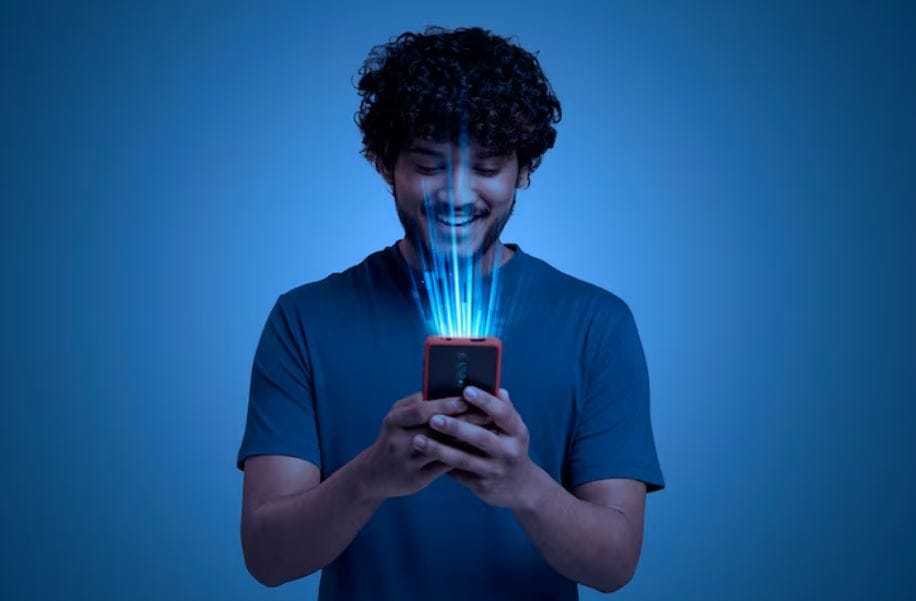
    The AI Phone Era Could Change How We Communicate Forever
    The AI Phone Era Could Change How We Communicate Forever

    The headlines typically center on hardware, such as Google and Meta’s smart glasses, OpenAI’s enigmatic projects and the late Jony Ive’s design studio, jewelry, and pendants that are supposed to be able to see and hear what we do, so it’s worth taking a moment to consider what that actually means for communication. However, the more intriguing question is more subdued: what happens to a conversation when an AI agent stands right behind it, summarizing, interjecting, and finishing?

    Years ago, Smithsonian researchers studying smartphones and teenagers discovered something that seems relevant today. They discovered that, frequently without anyone realizing it, the lack of in-person vulnerability in phone-mediated communication was changing how people related to one another. Texting and Snapchat streaks were the subject of that study. It’s difficult not to wonder if AI-mediated communication will accomplish the same thing, albeit more quickly and covertly.

    There is a chance that this will actually benefit people. You could avoid the hassle of typing out logistics with friends or remembering to follow up on something you mentioned in passing if your assistant already knows your schedule, where you are, and your incomplete thoughts. According to Amon, if you mention meeting someone at an event, the AI will already have the picture displayed and know when you are both free in London. That’s practical. It may even improve some interactions by relieving people of the burden of coordination and allowing them to concentrate on the conversation itself.

    However, improving glasses alone won’t solve the underlying tension. More than the bracelet or the lens, the real battleground becomes the question of who owns that data and who you trust enough to let it close if an agent is constantly streaming what you see and hear to a cloud somewhere. Amon brought up the question of who should and shouldn’t be the guardians of all this intimacy, almost as an aside.

    None of this ensures that one gadget will prevail, as the iPhone did in the past. We might end up with multiple competing form factors, such as glasses for some, earpieces for others, phones that last longer than anyone anticipates, and laptops that outlived death predictions. It took roughly ten years for the smartphone to completely change the way we date, argue, and grieve. It will probably take the same amount of time for whatever takes its place as the primary means of communication between us to show what has truly changed, and by then, as usual, it will seem as though it was always going to happen.

    AI Phone Era
    Share. Facebook Twitter Pinterest LinkedIn Tumblr Email
    Taylor Lowery
    • Website

    Taylor Lowery is a senior editor at glofiish.com, a technology writer, and a true circuit enthusiast. She works in the tech sector, so she does more than just cover it. Taylor works for a smartphone company during the day, which gives her a firsthand look at how gadgets are designed, manufactured, promoted, and ultimately placed in people's hands.Her writing is unique because of this insider viewpoint. Taylor makes the technical connections that other writers overlook, whether she's dissecting the silicon architecture of a new flagship chipset, analyzing the implications of a significant Android update for actual users, or tracking the effects of a new AI model announcement across the mobile industry.Her editorial focus covers every aspect of the current tech stack, including smartphone software and hardware, artificial intelligence (from large language models and generative tools to on-device inference), and the broader innovation trends influencing the direction of the consumer technology sector. She is especially passionate about the nexus of AI and mobile computing, which she feels is still in its most exciting early stages.

    Related Posts

    Your Smartphone Knows You’re Depressed: The Alarming Science of Predictive Language

    June 22, 2026

    Memory Shortages Could Trigger the Biggest Smartphone Crash in a Decade

    June 22, 2026

    The Quest for Quantum Supremacy: Who Actually Controls the Future of Computing?

    June 22, 2026
    Leave A Reply Cancel Reply

    You must be logged in to post a comment.

    Lifestyle

    Your Smartphone Knows You’re Depressed: The Alarming Science of Predictive Language

    By Taylor LoweryJune 22, 20260

    Finding out that your phone has been monitoring you more closely than your closest friends…

    The AI Phone Era Could Change How We Communicate Forever

    June 22, 2026

    Why VCs Are Suddenly Pouring Billions Into De-Extinction Tech

    June 22, 2026

    Memory Shortages Could Trigger the Biggest Smartphone Crash in a Decade

    June 22, 2026

    The Quest for Quantum Supremacy: Who Actually Controls the Future of Computing?

    June 22, 2026

    The Rise of DIY Biohacking in Suburban Garages

    June 22, 2026

    Why Optical Computing Could Be the Successor to the Silicon Chip

    June 22, 2026

    Why Your Next Smartphone Might Actually Be a Humanoid Robot

    June 22, 2026

    Why AI Might Be the Most Powerful Technology Since Electricity

    June 22, 2026

    A Massive AI Protest Signals Growing Public Fear of Automation

    June 22, 2026
    Disclaimer

    Glofiish.com’s content, which includes market reporting, technology analysis, AI commentary, and device coverage, is solely meant for general informational and educational purposes. Nothing on this website is intended to be financial, investment, legal, or professional technology advice specific to your situation.

    We’re strongly advise all readers to seek independent professional financial advice from a qualified financial adviser before making any financial, investment, or purchasing decisions based only on information found on this website. Technology markets are unstable; product availability, cost, and performance attributes fluctuate quickly.

    Facebook X (Twitter) Instagram Pinterest
    • Home
    • Glofiish Devices
    • Technology
    • Tech Devices
    • News
    • About
    • Privacy Policy
    • Contact Us
    • Terms Of Service
    © 2026 ThemeSphere. Designed by ThemeSphere.

    Type above and press Enter to search. Press Esc to cancel.